5-Minute Decluttering Tips for Busy Working Moms
5-Minute Decluttering Tips for Busy Working Moms

The Kitchen Counter Pile-Up: A Working Mom’s Nightmare
You know the scene. It’s 6 PM. You’ve just walked in the door, work bag in one hand, a half-forgotten permission slip in the other. Your eyes land on the kitchen counter, and your heart sinks. It’s a museum of modern life: yesterday’s mail, today’s lunchboxes, a rogue sock, and three water bottles in various states of emptiness. The thought of cooking dinner amidst that chaos feels like a Herculean task. You’re not alone. For working parents, clutter isn’t just an eyesore; it’s a direct roadblock to something crucial: meal planning for working parents. When your prep space is buried, the idea of planning ahead feels impossible. But what if clearing the path to a peaceful dinner could start with just five minutes?
5-Minute Decluttering Tips for Busy Working Moms
The goal here isn’t a magazine-worthy kitchen (though wouldn’t that be nice?). It’s about creating functional space so you can breathe, think, and yes, actually cook that meal you planned. These decluttering tips are designed for the stolen moments—while the pasta water boils, during a toddler’s timeout, or before your first sip of morning coffee.
1. The "Launch Pad" Lifesaver: Conquer the Drop-Zone Disaster
Let’s start with the epicenter of chaos: the drop zone. That table, counter, or chair by the door where everything lands. This spot becomes a black hole for keys, backpacks, and coffee mugs, directly sabotaging your evening.
- The 5-Minute Tactic: Set a timer. For five minutes, you are a sorting machine. Your only job is to ask one question of every item: Does this belong in the kitchen? If yes, put it in its actual home (mug in dishwasher, banana peel in compost). If no, it goes into a basket or bin you place right outside the kitchen. That bin is for “things that migrate to other rooms later.” Don’t leave the kitchen to put them away now—that’s how you get sidetracked. Just get the kitchen surfaces clear.
- Common Mistake to Avoid: Trying to fully organize the entire drop zone in one go. You’ll get overwhelmed. The goal is surface clearance, not a complete system overhaul. The system can come later, on a weekend.
- Quick Win: Commit to clearing the drop zone every single night before bed. Just five minutes. Waking up to a clear space sets a calm, controlled tone for the entire morning rush. It’s one of the most powerful habits for home organization you can build.
2. The Fridge & Pantry "Speed Edit"
How many times have you bought cilantro, only to find last week’s slimy bundle hiding in the produce drawer? A cluttered fridge is the enemy of meal planning for working parents. You can’t plan what you can’t see.
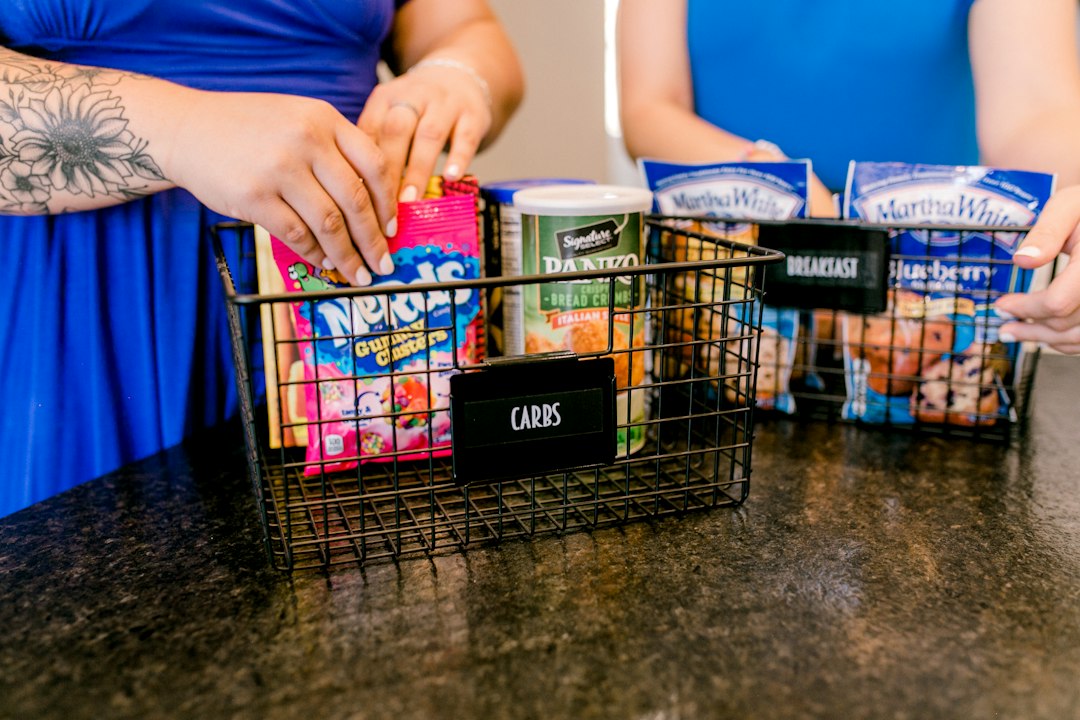
- The 5-Minute Tactic: Pick one zone per mini-session. Today, it’s the fridge door. Tomorrow, a single pantry shelf. Pull everything out. Toss anything expired, freezer-burnt, or unrecognizable. Wipe down the shelf. As you put items back, group like with like (all condiments together, kids’ snacks in one bin). Use clear bins or lazy susans—they’re game-changers.
- Mom Friend Quote: “My best advice? Do your speed edit before you write your grocery list or plan meals. It’s frustrating to plan a meal around chickpeas you think you have, only to find an empty can. A quick fridge check saves money and my sanity on a busy Wednesday.” – Priya, mom of two and project manager.
- Why This Works for Meal Planning: When you can see every ingredient, you’re more likely to use them. That half-bag of spinach gets tossed into a pasta sauce, the leftover chicken becomes tacos. It reduces food waste and sparks recipe ideas, making your meal planning for working parents actually achievable.
3. The "One-In, One-Out" Kitchen Tool Rule
Our kitchens collect gadgets like kids collect rocks. The unitasker avocado slicer, the bread machine from 2012, the mismatched plastic cups. This clutter fills drawers and cabinets, making it hard to find the spatula you actually use.
- The 5-Minute Tactic: Open one drawer. Just one. As you unload the dishwasher today, put the clean tools back into that drawer. For every item you put in, take one out. That garlic press you haven’t used since 2019? Donate it. The chipped measuring cup? Recycle it. This isn’t about massive purges; it’s about consistent, mindful editing.
- Common Mistake to Avoid: Keeping things “just in case.” Be brutally honest. If you haven’t used it in a year (excluding true seasonal items like a turkey roaster), let it go. Someone at the thrift store will be thrilled to find it.
- The Meal Planning Link: A streamlined utensil drawer means no more frantic searching while the onions burn. It makes the physical act of cooking smoother and less stressful, which makes you more likely to stick to your cooking plan.
4. Paper Patrol: Taming the Mail & Schoolwork Tsunami
This is the clutter that multiplies overnight. It feels important, so we let it pile up “to deal with later,” creating a constant low-grade anxiety.
- The 5-Minute Tactic: Keep a trash can, recycling bin, and a single “Action” file or tray near your entry. When you bring in the mail, do not set it down. Stand over the recycling bin. Immediately recycle junk mail, catalogs, and inserts. Put bills in the “Action” file. For kids’ artwork and school papers, implement the “Photo & Toss” method. Snap a quick picture for the digital memory bank, then let the physical copy go (maybe keep the absolute masterpieces in a designated portfolio).
- Quick Win: Deal with the paper pile every day when you first walk in. Don’t even take your coat off. Five minutes of decisive action prevents a weekend-long paper mountain crisis. This simple step is a cornerstone of a manageable cleaning routine.
5. The "Dinner Clean-Up Dash" Mindset Shift
The post-dinner mess can feel like the final boss of the day. You’re tired. The kids are melting down. The temptation to leave it ‘til morning is real. But doing so guarantees a stressful morning.
- The 5-Minute Tactic: Set a timer for five minutes after dinner. The whole family participates. Your goal isn’t a spotless kitchen; it’s “reset.” Load the dishwasher. Wipe the table and counters. Put condiments away. Leave the soaking pots if you must. A reset kitchen means you walk into a functional space for coffee and breakfast, not last night’s battlefield. This tiny habit transforms your cleaning routine from a monumental chore into a daily maintenance task.
- Celebrate Progress: Some nights, you’ll only get three minutes in. That’s still three minutes of clutter gone. Progress, not perfection.
Your Turn: Start Small, Win Big
Your mission, should you choose to accept it, is not to overhaul your entire home this weekend. It’s to pick one of these five-minute tactics and try it today.
- Tonight: Before bed, spend five minutes clearing your main drop zone. Feel the difference in the morning.
- Tomorrow: Before you make your grocery list, do a five-minute speed edit of your fridge door or one pantry shelf.
- This Week: Implement the “One-In, One-Out” rule with just your cooking utensil drawer.
Small, consistent actions create calm. And a calmer kitchen is the foundation for easier meals, smoother mornings, and a little more peace in your busy life. You’ve got this.
FAQ: Decluttering for the Time-Crunched Parent
Q: I only have a tiny bit of time. Where should I absolutely start? A: The Drop Zone (Tip #1). Clearing the surface where daily chaos accumulates—like the kitchen counter or entryway table—has the most immediate psychological payoff. It creates visible progress in under five minutes and makes the whole space feel more manageable.
Q: How do I get my family to help without it becoming a huge fight? A: Frame it as a team “reset,” not a chore. Use the 5-minute timer for the post-dinner dash and make it a game. “Can we beat the clock?” Assign super-specific, age-appropriate tasks (“Your job is to put all the condiments in the fridge” vs. “clean up”). Consistency is key—when it becomes part of the routine, there’s less resistance.
Q: I declutter, but it just gets messy again in two days. What am I doing wrong? A: You’re likely not building the “maintenance” habit. Decluttering isn’t a one-time event; it’s a cycle. Pair your quick decluttering sessions with tiny daily habits (like the nightly drop-zone clear or the paper patrol). This stops the avalanche before it starts. Also, check if you have a “home” for the items that always go astray. If shoes are always on the floor, do you have a basket by the door for them?
Q: Can decluttering really help with meal planning? A: Absolutely, and more than you might think. Physical clutter creates mental clutter. A clear fridge lets you see what you have, reducing duplicate purchases and food waste. Clear counters give you space to actually prep. A tidy pantry helps you grab ingredients quickly. It removes the friction that makes ordering takeout seem like the easier option.
Tags
Related Articles
Pantry Organization Hacks for Busy Moms: 2026 Edition
Discover practical pantry organization hacks for busy moms. Save time, reduce stress, and keep your kitchen running smoothly with these simple tips.

Cozy Home Office Nook on a Budget: Working Mom's Guide
Create a cozy home office nook on a budget with these practical tips for working moms. Transform any small space into a functional, inviting workspace.

Quick Meal Prep for Busy Weeknights: 7 Real-Life Tips for Working Moms
Tired of the 6 p.m. scramble? These quick meal prep ideas for busy weeknights help working moms get dinner on the table without the stress.