5-Minute Kitchen Zones: Quick Organization for Busy Moms
5-Minute Kitchen Zones: Quick Organization for Busy Moms
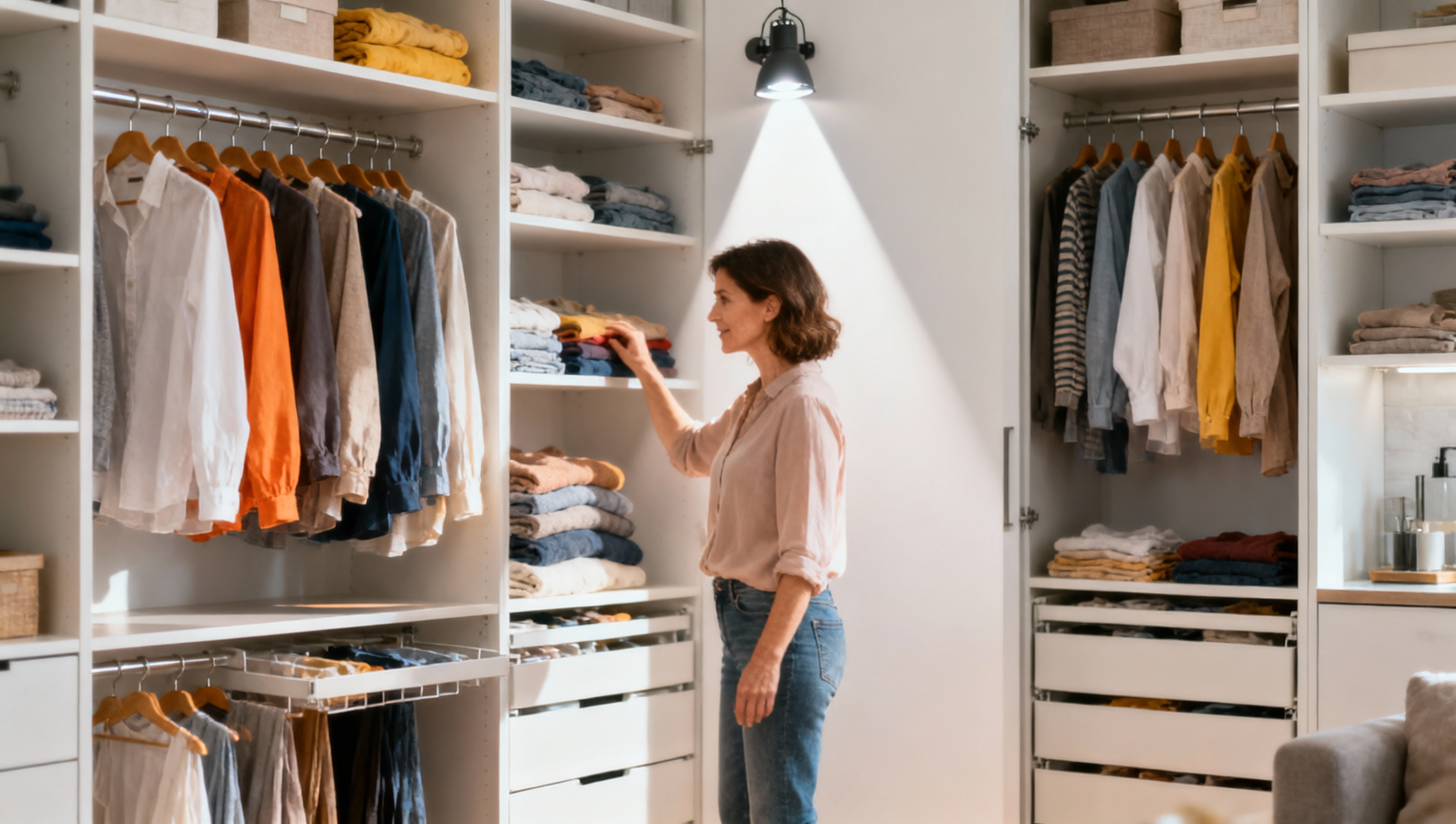
Ever notice how the kitchen becomes Grand Central Station at 6 PM? Backpacks explode on the counter, someone’s asking what’s for dinner while another is frantically searching for a measuring cup, and you’re just trying to not burn the garlic. You’re not alone. A recent survey found that the average mom spends over 90 hours a year just looking for lost items in her own home. Let’s get some of that time back.
5-Minute Kitchen Zones: Quick Organization for Busy Moms
Here’s the truth: I don’t have a Pinterest-perfect kitchen. What I do have is a system that keeps the chaos at a manageable hum, even on the craziest of weeknights. It’s not about a massive, weekend-long overhaul. It’s about creating clear, functional home organization zones that everyone in the house can understand and use. Because managing a household is a team sport, even if the team members are sometimes reluctant players.
The "Launch Pad" Lunch Zone: Stop the Morning Scramble
For years, our mornings were derailed by the lunch-making frenzy. I’d be pulling slimy lettuce out of the veggie drawer while my kids stood there asking if we had any more of those "good crackers." The stress was palpable.
My fix? I dedicated one lower cabinet and a chunk of counter right above it as the Official Lunch Assembly Zone. In the cabinet, I keep a bin with all non-perishable lunch components: individual packs of crackers, applesauce pouches, granola bars, and juice boxes. On the counter sits a tiered organizer ($22, Amazon) with napkins, reusable containers, and lunch bags. The fridge shelf directly opposite holds the "lunchables": pre-sliced cheese, washed grapes in a colander, yogurt tubes.
The counter-intuitive tip? Don’t put the bread here. I know. It seems logical. But bread goes stale faster on the counter. I keep the loaf in the freezer (it thaws perfectly by lunchtime) and the lunch zone simply has a sticky note on the fridge that says "BREAD IN FREEZER." This one 5-minute setup—assigning the zone and stocking it—saved us at least 10 minutes of frantic searching every single morning. Now, my 10-year-old can basically make his own lunch. That’s a win.
The "Dinner's in the Drawer" Meal Planning Hack
Meal planning for busy moms often fails because it’s too abstract. A notepad on the fridge? I lose it. A fancy app? I forget to open it. My system is stupidly simple and tactile.
I have one drawer—I call it the Dinner Drawer. In it are 15-20 notecards. Each card has a family-approved dinner on it (e.g., "Tacos," "Sheet Pan Sausage & Veggies," "Breakfast for Dinner"). Every Sunday, I take 5 minutes and pull out 5-7 cards for the week ahead. I clip them to the fridge. That’s the visual plan. When my partner asks "What's for dinner?" he can look. When I'm at the store, I can glance at the photo on my phone (I snap a pic of the cards).
Here’s the team part: I involve the kids. They each get to pick one card for the week. It gives them agency and drastically reduces complaints. The cards also have the main ingredients listed on the back, which makes the grocery list auto-generate. This isn't just pantry organization; it's brain organization. The physical act of shuffling cards makes planning feel less like a mental burden.
Product Rec: I use these Rite in the Rain all-weather notecards ($8 for a pack of 50). They’re spill-proof, which is essential in a kitchen. A simple index card box ($3) keeps them contained.
The "One-Minute Reset" Counter Strategy
Cleared counters are a myth in a lived-in home. But functional counters are non-negotiable. My rule is that every horizontal surface must have a "home" for its clutter. Instead of fighting the clutter, I contained it.
- By the coffee maker: A small tray for mugs, the sugar jar, and spoons. Stray items go on the tray, not the counter.
- By the fruit bowl: A tiny dish for keys and loose change that comes out of pockets.
- By the sink: A stylish ceramic crock ($18, Target) for brushes and sponges, not a soggy, gross sponge sitting directly on the granite.
My real-life story: The "Drop Zone" by the back door was a disaster of mail, permission slips, and dog leashes. It made me twitch. I spent 5 minutes putting up a wall-mounted file sorter ($25, Container Store) for "To Sign," "To File," and "To Read." Next to it, a hook for the dog leash. That’s it. The cleaning routine now includes a "one-minute reset" of these zones before bed. I walk around and return the tray items to the tray, the mail to the sorter. It’s not deep cleaning; it’s daily damage control that makes the morning possible.
The "First-In, First-Out" Pantry Triage
Pantry organization fails when it becomes a black hole of half-used pasta boxes and expired cans. My method takes 5 minutes during the unpacking of groceries, not on a special organizing day.
I use the "first-in, first-out" principle from restaurants. When I buy new cans of beans, they go at the back of the bean section. The older cans get shifted to the front. Same for boxes, sauces, everything. This single habit has nearly eliminated food waste in our house.
I use clear, square bins (like these OXO Pop Containers, but the IKEA 365+ jars work great too, around $5-$15 each) for staples like flour, sugar, and pasta. But for snack items, I use open bins labeled "Kids Snacks," "Quick Breakfast," and "Baking." The labels are key for the team. My husband can find the oatmeal. The babysitter can find a snack for the kids. No one needs to ask me.
The counter-intuitive tip? Don't alphabetize your spices. It's a time sink. Instead, group them by cuisine or frequency of use. I have a small turntable ($12) by the stove with my everyday spices: salt, pepper, garlic powder, paprika, cumin. The rest are in a drawer on their sides, labeled on the lid, grouped vaguely: "Italian," "Baking," "Heat." I can find what I need in 3 seconds because I'm thinking "I'm making chili" not "Does cumin come before curry powder?"
Your Turn: Start Tonight
You don't need a full day. You need 5 focused minutes.
- Pick Your Pain Point. What causes the most daily friction? Is it lunches? The after-school snack avalanche? The dreaded "What's for dinner?" Stand in your kitchen and feel the frustration. Start there.
- Define the Zone. Choose one cabinet, one drawer, or one square foot of counter. Declare it the official home for that one category of stuff. Get a bin, a tray, or a label. Make its purpose obvious.
- Communicate the Plan. Show your family. "This is now the lunch cabinet. Crackers live here." Make it simple enough for a child to follow. This is how you build home organization as a team.
- Do the 5-Minute Reset. Tonight, before you go to bed, take that one zone back to its "ready" state. Just that one. Feel the tiny spark of calm. Tomorrow, do it again.
Celebrate that you started, not that you finished. A functional home isn't about perfection; it's about creating systems that hold up even when you're too tired to think. You've got this.
FAQ
Q: I've tried organizing before, but my family just messes it up. How do I get them on board? A: Start by making the system for them, not just for you. If the snack bin is where the kids naturally gravitate, put it there. Use pictures for little kids ("Crackers" with a drawing). For partners, frame it as solving a mutual problem: "I set up a spot for your keys so we don't waste time looking for them in the morning." Involvement in the setup (like kids picking meal cards) also creates buy-in.
Q: I don't have money for fancy containers. Any budget tips? A: Absolutely. Use what you have first. Shoeboxes, cleaned yogurt tubs, and leftover mason jars are perfect for creating zones. Dollar stores are great for basic bins and baskets. The power isn't in the container; it's in the consistency of putting the same type of item in the same place every time.
Q: How do you maintain this without it becoming another chore? A: I tie it to existing habits. The "Dinner Drawer" card pull happens when I'm making my Sunday coffee. The "pantry triage" happens while I'm putting groceries away. The "one-minute reset" is part of my pre-bedtime routine. By attaching it to something you already do, it doesn't feel like an extra task, just a slight modification of your current routine.
Q: What if I don't have a big kitchen with lots of storage? A: Think vertically and use the backs of doors. An over-the-door shoe organizer is fantastic for pantry snacks, spice packets, or cleaning supplies. Magnetic strips on the side of the fridge or cabinets can hold knives or spice tins, freeing up drawer space. The zone concept works even in tiny spaces—it just means your "baking zone" might be a single bin on a shelf, not a whole cabinet.
Tags
Related Articles
5-Minute Home Resets for Working Moms: Cozy & Clean
5-Minute Home Resets for Working Moms: Cozy & Clean
5-Minute Kitchen Reset for Working Moms: Keep It Clean Daily
5-Minute Kitchen Reset for Working Moms: Keep It Clean Daily

Create a Cozy Reading Nook: Budget-Friendly Home Decor
Create a Cozy Reading Nook: Budget-Friendly Home Decor