5-Minute Pantry Organization Hacks for Busy Working Moms
5-Minute Pantry Organization Hacks for Busy Working Moms
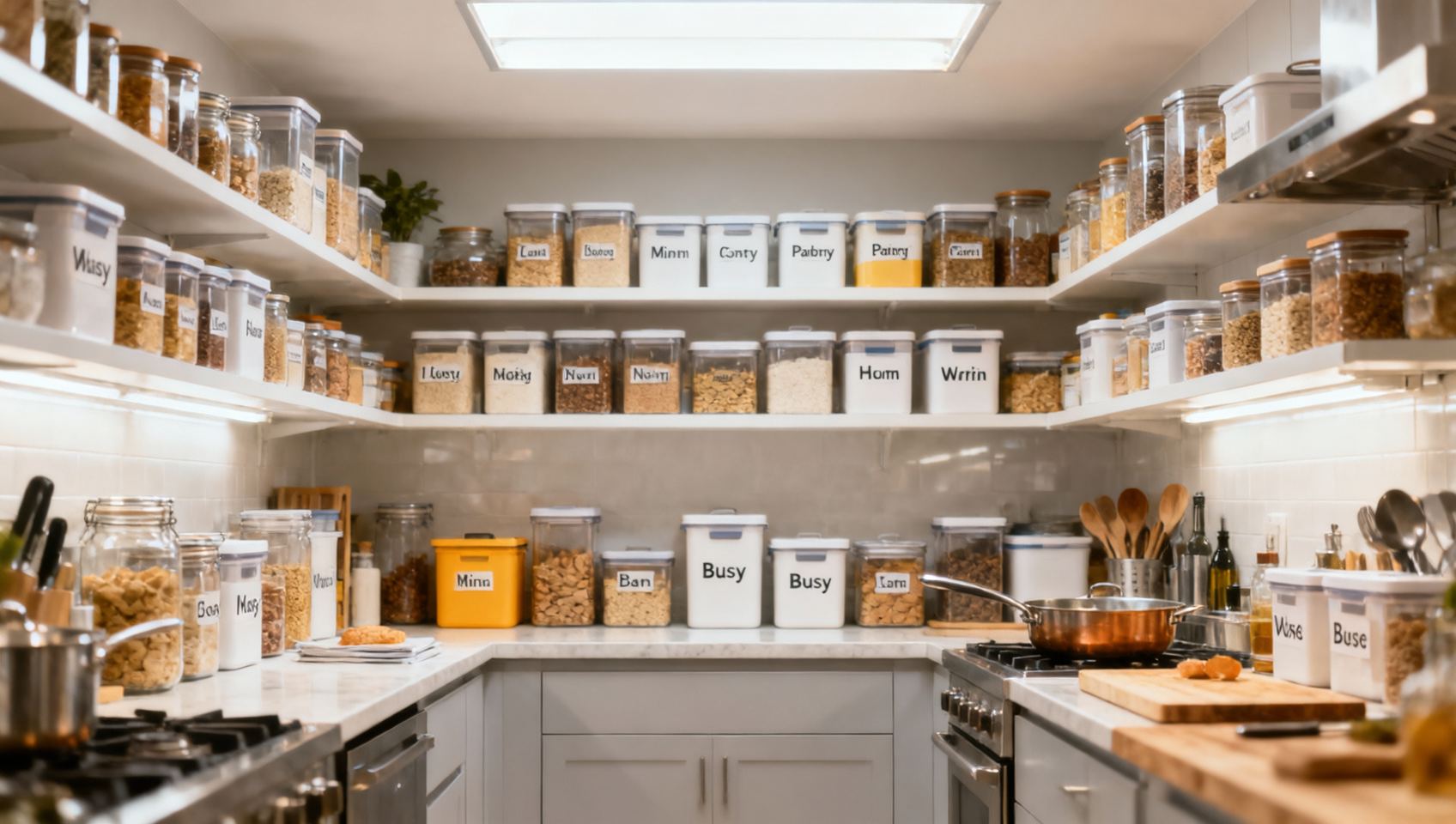
The 5-Minute Pantry Intervention You Actually Have Time For
You know the scene. It’s 5:47 PM. You’re home, your work bag is still on your shoulder, and a tiny human is declaring a state of emergency over a missing snack pack. You swing open the pantry door, and it’s like a culinary avalanche. A rogue box of pasta tumbles out, you can’t find the soy sauce you know you bought, and the sight of that jumbled chaos is the last straw on a very long day.
If your pantry feels like a metaphor for your mental load, you’re not alone. But here’s the good news: you don’t need a full weekend or fancy containers to make it functional. You just need a few 5-minute pockets of time and a permission slip to do it imperfectly. Let’s tackle this together.
5-Minute Pantry Organization Hacks for Busy Working Moms
1. The “One Shelf at a Time” Rule (And Why It Works)
Forget the Instagram-inspired dream of emptying the entire pantry onto your kitchen floor. That’s a recipe for a project that haunts you for weeks. Instead, commit to organizing just one shelf. One. That’s it.
Here’s how it works: While you’re waiting for the coffee to brew or the microwave to ding, pull everything off that single shelf. Wipe it down (a damp microfiber cloth is your friend). As you put things back, group like with like: all the canned veggies together, all the baking supplies, all the kid snacks. No fancy bins needed yet—just zones. This “micro-organizing” approach is powerful because it gives you an immediate win. You see progress instantly, which fuels the motivation to maybe tackle another shelf tomorrow. It’s home organization in bite-sized pieces.
My Story: My “snack shelf” was a black hole. I’d buy fruit pouches, only to find three buried in the back, expired. One morning, I took five minutes while my toddler was mesmerized by the toaster. I pulled it all out, grouped snacks by type (sweet, savory, fruit-based), and faced all the labels forward. It sounds trivial, but that week, packing lunches was 50% less stressful. I could actually see what we had.
2. The Counter-Intuitive Tip: Stop Stockpiling “Just in Case”
Conventional wisdom tells us a well-stocked pantry is a virtue. But for busy families, it can be the enemy of organization. That giant 12-pack of canned soup from the club store? It’s taking up prime real estate for months, blocking you from seeing the beans and tomatoes you actually use weekly.
Challenge yourself: unless it’s a true staple you go through like water (pasta, rice, your kids’ favorite oatmeal), buy only what you need for the next 1-2 weeks. This isn’t about deprivation; it’s about clarity. A less-crowded pantry is easier to keep tidy, reduces food waste, and makes meal planning for busy moms infinitely simpler because you’re not playing archaeological dig to figure out what’s for dinner.
As my mom friend Sarah says: “I used to think a full pantry meant I was winning at adulthood. Now I realize an organized, half-full pantry means I’m winning at my sanity. I can actually find the taco seasoning on a Tuesday.”
3. Your Paperwork Command Center (Yes, In the Pantry!)
Wait, paperwork? In a pantry organization article? Stay with me. The kitchen is often the hub of the home, and bills, permission slips, and school calendars tend to migrate there. Instead of letting them pile up on the counter, claim a tiny spot inside the pantry door.
All you need is a small, flat magnetic basket or a clear pocket sleeve stuck to the door. This becomes the “Inbox.” The rule? Any household paper that enters the kitchen goes directly there. Once a week (maybe while you’re unloading groceries), you process it: recycle the junk, sign the form, file the bill. This 5-minute habit prevents paper avalanches and pairs perfectly with organizing your family’s fuel (food) and admin in one spot.
My Story: Our kitchen counter was a paper graveyard. I put a sleek magnetic file pocket on the inside of the pantry door. It was invisible when closed, but everything had a home. Game-changer. Now, when I grab the pasta, I might also quickly pull out the water bill and pay it on my phone. Multitasking at its finest.
4. The “First In, First Out” Rotation (It’s Not Just for Restaurants)
This is the single most effective hack for reducing waste and saving money, and it takes seconds. When you come home with new groceries, put the new stuff behind the old stuff. New jar of pasta sauce? It goes in the back. New box of crackers? Behind the open one.
This simple act of rotation ensures you use up what you have before it expires. It makes your meal planning more efficient because you’re actively aware of what needs to be used soon. Just make it a habit as you’re putting bags away. It’s a 5-minute investment that pays off in reduced stress and fewer last-minute grocery runs for “that thing we definitely had.”
5. The “Kid-Friendly Zone” Liberation
If your kids are old enough to grab their own snacks, designating a specific, low shelf or bin for them is non-negotiable. Fill it with approved, easy-grab options. This does two things: it empowers them (hello, life skills!), and it saves you from being a short-order snack servant. The rule is clear: snacks from this zone only. It keeps the rest of the pantry intact and ends the “Mom, where is the…?” chorus.
My Story: I used to have “healthy” snacks up high and “treats” hidden. It was a constant negotiation. I cleared the bottom shelf, put all acceptable snacks (granola bars, applesauce, popcorn) in a bin they could reach, and made the rule. The first week, they ate popcorn for three days straight. But by week two, they self-regulated, and the after-school scramble became peaceful. Celebrate progress, not perfection!
Your Turn: Start This Weekend
You don’t have to do it all. Pick one of these hacks that spoke to you.
- This weekend, spend 5 minutes on one shelf. Just one. See how it feels.
- On your next grocery trip, try not over-buying. Skip the extra “just in case” item and enjoy the space it creates.
- Stick a pocket on the pantry door. Declare war on counter paperwork.
A functional pantry isn’t about pretty labels (though if that brings you joy, go for it!). It’s about creating a small system that makes the daily grind of feeding your family a little smoother. You’ve got this.
FAQ
Q: I don’t have the budget for clear containers and fancy organizing systems. Is this even possible? A: Absolutely! The goal is function, not a photo shoot. Use what you have: shoeboxes, leftover Amazon boxes (cut down), or even just group items together on the shelf. The “zoning” principle is free and works regardless of your containers.
Q: How do I maintain this with a busy schedule? A: Tie it to an existing habit. Do a quick “shelf check” while you’re putting away groceries. Use the 2-minute rule: if you see something out of place and it takes less than two minutes to fix (e.g., putting the rogue soup can back with the others), do it immediately. Maintenance happens in tiny moments.
Q: My partner/kids just mess it up again. What’s the point? A: The point is to make it easier for them to not mess it up. Clear zones, a kid-friendly shelf, and simple systems are designed for the whole family. Have a quick chat: “Hey, I set up the snack bin here for you guys—everything you can have is in this spot.” Make the system work for them, too.
Q: Can good pantry organization really help with meal planning? A: 100%. When you can see every ingredient, you’re not buying duplicates, and you’re aware of what needs using, planning meals becomes a logic puzzle instead of a stressful chore. You’ll start basing meals on “what’s in the house” first, which saves time, money, and mental energy.
Tags
Related Articles

5-Minute Home Resets for Working Moms: Cozy & Clean
5-Minute Home Resets for Working Moms: Cozy & Clean
5-Minute Kitchen Reset for Working Moms: Keep It Clean Daily
5-Minute Kitchen Reset for Working Moms: Keep It Clean Daily

Create a Cozy Reading Nook: Budget-Friendly Home Decor
Create a Cozy Reading Nook: Budget-Friendly Home Decor