A Self-Care Routine That Actually Survives Working Mom Life
Tired of self-care routines that fall apart by Wednesday? Here's how working moms can build a realistic routine that lasts, even on the chaotic weeks.
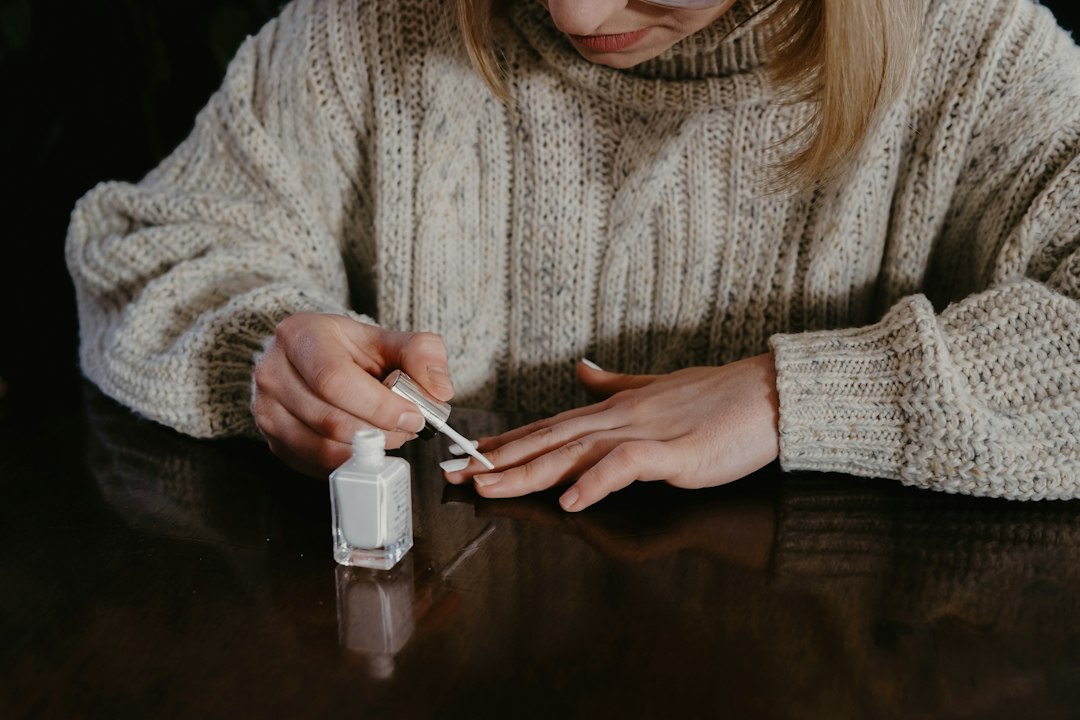
A Self-Care Routine That Actually Survives Working Mom Life
I used to have a self-care routine that looked great on paper. Sunday: meal prep and face mask. Monday: 20-minute yoga. Tuesday: journaling. By Thursday it was a pile of guilt sitting next to the laundry I hadn't folded. Sound familiar?
Here's what I've learned after years of juggling deadlines, school drop-offs, and the mental load: the self-care routines that stick aren't the most impressive ones. They're the ones that survive a sick kid, a work crisis, and a week where you barely remember to eat lunch. So let's talk about building something that actually holds up — not just for a motivated week, but for the long haul.
Start With What You Already Have (Seriously)
The biggest mistake I see working moms make is designing a self-care routine for a version of themselves who has two free hours and endless energy. That woman doesn't exist. You have the life you have right now, and your routine needs to fit inside it.
Before you add anything new, do a quick audit of your actual week. Grab your phone calendar or a notebook and ask:
- When do I already have a pocket of time that's mine? (The commute? The ten minutes after bedtime? Your lunch break?)
- What am I already doing that feels good, that I just don't count as self-care?
- Where are the energy leaks — the scroll sessions, the doom-Google spirals, the tasks I'm doing that nobody actually asked for?
You'll often find that you have more raw material than you think. A walk around the block on your lunch break counts. Listening to a podcast in the school pickup line counts. Drinking your coffee while it's still hot counts. The goal in this first step is to notice what's already there, not to add another to-do.
Make It Tiny and Boring on Purpose
I know "tiny habits" has become a bit of a buzzword, but there's a reason it works. When you're running on fumes, big gestures feel impossible, and impossible things get skipped. Small, almost embarrassing actions are the ones that actually happen.
Instead of "I'm going to work out five times a week," try "I'm going to stretch for three minutes before I get in the shower." Instead of "I'll start journaling every night," try "I'll write one sentence about the day while my tea brews."
A few tiny anchors that have worked for me and for the moms I talk to:
- The two-minute reset. When you feel the tension spike, set a two-minute timer and do nothing but breathe or look out a window. It's short enough that you can't talk yourself out of it.
- The morning touchpoint. Before you look at your phone, drink a glass of water. That's it. It sounds too small to matter. It matters.
- The transition ritual. Pick one small thing that signals "work is over" — changing clothes, washing your face, a specific song in the car. Your brain needs a door to walk through.
Boring is the point. Boring habits are the ones you can keep doing in 2026 when your calendar is a disaster.
Protect the Routine From Your Own Guilt
This is the part nobody warns you about. The routine itself is rarely the hard part — it's the guilt that shows up when you take the fifteen minutes. You'll feel it when you're sitting down with a book while the dishes sit in the sink. You'll feel it when you leave the office on time to make a yoga class.
I want to be straight with you: that guilt is not a sign you're doing something wrong. It's a sign you've been taught that your needs come last. You don't have to argue with that feeling every time it appears, but you do have to act anyway.
A few things that help:
- Say it out loud to your family. "I'm taking twenty minutes after dinner. I'll be back at seven." Naming it makes it real and gives the people around you a chance to support it.
- Lower the bar for what counts. If you get ten minutes instead of thirty, that's a win. Don't cancel the whole thing because it's not the full version.
- Expect the guilt and let it pass. It usually fades once you're actually doing the thing you love.
Build a Menu, Not a Schedule
Here's a reframe that changed things for me. Instead of one rigid routine, keep a menu of self-care options sorted by how much time and energy you have. On a good day, you might pick the longer option. On a rough day, you pick the smallest one. Either way, you're choosing, not failing.
A sample menu might look like this:
Five minutes or less:
- Step outside and take ten slow breaths
- Wash your face with cold water
- Put on one song and dance it out in the kitchen
Fifteen to twenty minutes:
- A walk around the neighborhood
- Ten pages of a book
- A short yoga or stretching video
Thirty minutes or more:
- A real workout
- Coffee with a friend
- A bath, a hobby, or a nap — whichever you need most
The menu approach means there's no such thing as a failed day. There's only a different choice. And over a month, those small choices add up to something real.
Make Rest Non-Negotiable, Not a Reward
I spent years treating rest like dessert — something I earned after I finished everything else. The problem is that the everything else never ends. There's always one more email, one more load of laundry, one more thing to sign.
Rest isn't a reward for finishing. It's fuel for continuing. When you skip it, the work gets worse, your patience gets shorter, and the whole system starts to wobble.
So build rest into the structure of your week, not the leftover spaces. That might mean:
- A firm bedtime that you protect like a meeting
- One weekend morning where you sleep in, and your partner handles the kids
- A no-phone window in the evening, even if it's just twenty minutes
If you're the kind of person who needs permission, here it is: you are allowed to rest before the list is done. The list is never going to be done.
Involve Your People
Self-care doesn't have to be a solo project, and honestly, it works better when it isn't. The moms I know who sustain their routines have usually made it a family affair in some small way.
Some ideas:
- Trade time with a partner. You take Saturday morning, they take Sunday. Everyone gets a real block of time off.
- Loop in your kids. Tell them what you're doing and why. "Mom is taking a walk because it helps her feel calm." You're modeling something important, even if it doesn't feel like it in the moment.
- Find your people. A group chat with two other working moms can be its own kind of self-care. Sometimes you just need someone who gets it.
You don't have to do this alone, and you shouldn't have to. Asking for help is part of the routine, not a failure of it.
Final Thoughts
A sustainable self-care routine isn't about doing more. It's about protecting a small, honest space for yourself and then defending it — imperfectly, repeatedly, and without apology. Some weeks you'll nail it. Some weeks you'll get one walk and a hot shower, and that will have to be enough. That's not a failure. That's real life.
Start with one tiny thing this week. Not five. One. Let it be boring and easy and yours. Then let it grow from there, at whatever pace your actual life allows. You deserve care that fits the life you're living — not the one you're supposed to have.
Tags
Related Articles

Quick Stress Relief for Busy Moms: 7 Techniques That Take 5 Minutes or Less
Feeling overwhelmed? These 7 quick stress relief techniques for busy moms take 5 minutes or less—no extra planning required. Real tips that fit your day.

5-Minute Mindfulness for Overwhelmed Working Moms (2026 Guide)
Feeling stretched thin? These 5-minute mindfulness exercises fit into your real mom life—no cushion, no hour-long retreat required. Try one today.

Evening Wind-Down Routines for Working Moms: Sleep Better in 2026
Tired of lying awake replaying your day? Try these realistic evening wind-down routines for working moms to get better sleep—without overhauling your life.