How to Plan a Budget-Friendly Road Trip with School-Age Kids
How to Plan a Budget-Friendly Road Trip with School-Age Kids
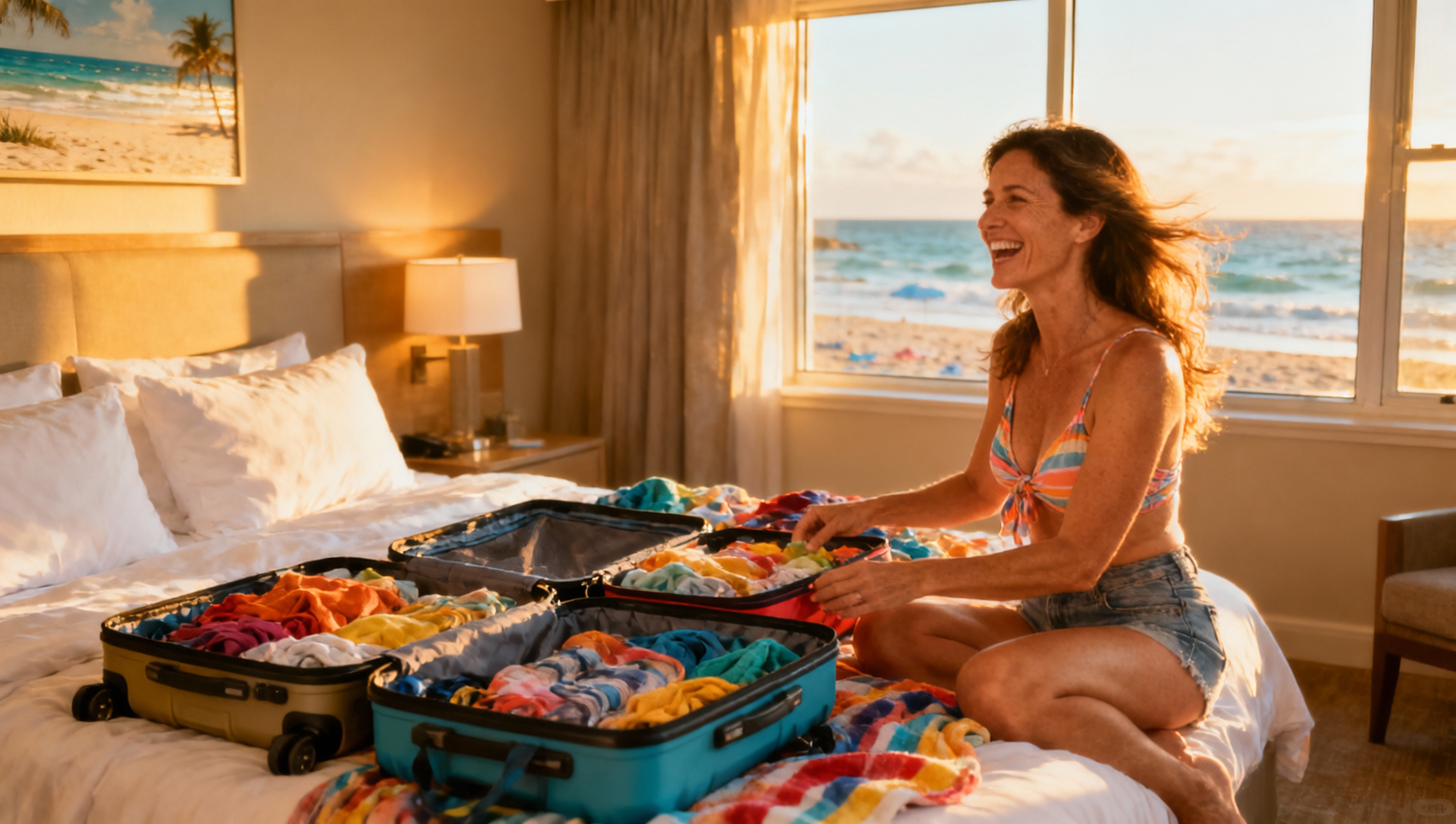
Remember that feeling on a random Tuesday evening? You’re scrolling through photos of a friend’s beach vacation while simultaneously refereeing a sibling debate over the last yogurt tube and mentally calculating how many days until the next school break. The longing for a family escape is real, but the thought of planning—and paying for—a big trip can feel utterly overwhelming. What if I told you the most memorable family vacation might be closer, cheaper, and more spontaneous than you think?
How to Plan a Budget-Friendly Road Trip with School-Age Kids
Forget the pressure of flights and fancy resorts. Some of our family’s absolute favorite memories were made on the open road, with snacks spilling into the footwells and a questionable playlist on repeat. Planning a road trip with kids doesn’t have to be a logistical nightmare or a budget-buster. It’s about adventure, connection, and seeing what’s just beyond your usual radius. Let’s talk about how to make it happen without the stress (or the credit card debt).
Quick Win: The "Two-Hour Radius" Surprise
Before we get into the full plan, here’s something you can do right now to make a trip happen. Open a map app on your phone. Set your home as the center point and draw a two-hour driving radius around it. I promise you, there are hidden gems—a state park with a weird rock formation, a small town with an amazing bakery and a historic train depot, a lake with a swimming beach—that you’ve been driving past for years. Pick one spot you’ve never visited. That’s your destination. The planning starts and ends right there. No hotels needed if it’s close enough for a day trip. Pack a picnic, get in the car this weekend, and go. You’ve just planned a surprise family adventure in under five minutes. Celebrate that win.
Ditch the Fancy Lodging: Embrace the "Weird Stay"
Conventional wisdom says to book a trusted hotel chain for consistency. My counter-intuitive tip? Seek out the weird, quirky, or nostalgic place to stay. It’s often cheaper and becomes the core memory of the trip. We’re not talking unsafe, just unique.
On one trip, we booked a tiny, retro cabin at a family-run campground for half the price of the Holiday Inn. It had paneled walls, a porch swing, and was steps from a creek. The kids were thrilled. They spent hours exploring that creek, and the “quirkiness” of the cabin was all part of the story. Another time, we used a trusted peer-to-peer site to rent a small apartment over a bakery in a tiny town. We woke up to the smell of fresh bread, bought pastries straight from the source for breakfast, and felt like temporary locals.
These stays are usually more budget-friendly than standard hotels, and they free up cash for experiences. The story isn’t “we stayed in a room with two queen beds”; it’s “we slept in a cabin by the creek!” or “we lived above a bakery!” That’s the stuff they’ll remember.
The "Activity Anchor" Method for Planning Your Days
Trying to plan every hour of a trip is a recipe for burnout (for you) and mutiny (from the kids). Instead, I use the “Activity Anchor” method. For each full day of your trip, choose one solid, paid or significant activity to be your anchor. This is the thing you’ll spend real time on. Everything else revolves loosely around it.
For example, on a trip to a mountain region, our anchor was a half-day guided hike to a waterfall. That was the investment and the main event. The rest of the day was built from free or low-cost elements: a picnic lunch we packed, an hour of skipping rocks in the river near our cabin, and a simple pasta dinner back “home.” The day felt full and special, but not overscheduled or expensive. The anchor gives structure; the free time allows for spontaneity—like that time we spent 45 minutes watching a family of groundhogs because we weren’t rushing to the next attraction.
Master the Art of the Car-Time Vibe
Let’s be honest: the car ride can make or break the whole venture. “Are we there yet?” is not just a cliché; it’s a war cry. Your goal isn’t just to get from A to B, but to make the journey part of the fun.
First, curate a shared playlist together before you leave. Let everyone add a few songs. Yes, you will hear the Frozen soundtrack mixed with your 90s hip-hop, but it’s our weird mix. It sets a collaborative tone.
Second, pack a “Surprise Bag” for each child. This isn’t a bag of new toys. Raid the dollar store or your own stash of forgotten gifts. Think: a new notebook and stickers, a pack of cards, a small puzzle, a weird snack they’ve never tried. Dole out one item every hour or so when the energy dips. The novelty is key.
My real-life story here involves my then-7-year-old and a pack of “Would You Rather?” cards. What started as a silly game sparked a two-hour conversation about everything from superpowers to what animals would be the worst teachers. It was pure, unplugged connection, all because of a $1 pack of cards.
Feeding the Horde Without Going Broke (or Crazy)
Food costs can derail a budget faster than a roadside dinosaur park gift shop. The solution is strategic packing and one smart daily splurge.
We pack a dedicated “Food Box.” It’s a plastic bin with a lid that lives in the backseat. In it: a whole sleeve of granola bars, individual bags of popcorn, apples, peanut butter crackers, refillable water bottles, and a bag of lollipops for emergency bribery/toll booths. This stops the “I’m hungry” chorus from resulting in an expensive and sad gas station hot dog every 90 minutes.
Our rule is: We eat one “real” meal out per day, and it’s usually lunch. Lunches are consistently cheaper than dinners at the same restaurants. We pack breakfast items (oatmeal packets, cereal bars, fruit) to eat in our lodging, and we either pack picnic dinners or get simple groceries (bread, cheese, deli meat, pre-made salad) for an easy dinner back at our base. This one strategy alone saves us hundreds on a week-long trip.
Your Turn: Making It Happen
This doesn’t need to be a fantasy for “someday.” Your action plan is simple:
- Do the “Two-Hour Radius” scan tonight. Find one potential destination.
- Brainstorm one “Weird Stay.” Browse a site for cabins, treehouses, or historic B&Bs in your chosen area. Just look. See what’s out there.
- Name your “Activity Anchor.” For your first trip, pick just one main thing you’ll do. A museum, a hike, a historic site. Build the rest of the day loosely around it.
- Assemble the Food Box. Next time you’re at the store, grab a few extra non-perishable snacks and toss them in a bin. You’ve now started your road trip kit.
Don’t aim for a perfect, Pinterest-worthy cross-country expedition. Aim for a change of scenery, some shared laughs in the car, and the feeling that you pulled off a family adventure. That’s the real destination.
FAQ: Your Road Trip Questions, Answered
Q: How do I handle the constant “screen time” question in the car? A: We have a clear rule: screens are for the last leg of a long drive, or for absolute quiet time if mom and dad are navigating a tricky city. We start with music, audiobooks (libraries have free apps!), car games, and the Surprise Bag. Framing screens as a “tool for the final stretch” rather than the default setting makes a huge difference.
Q: What are your must-pack items that aren’t obvious? A: A small trash bag with a roll of doggie bags (for car trash or wet swimsuits), a basic first-aid kit, a power bank for the phone, and a towel per person (beach, picnic, spill—it’s endlessly useful). Also, a physical map as a backup. It’s a fun way for kids to track progress when service is spotty.
Q: How can I find good “weekend getaways near me” that are truly budget-friendly? A: Look beyond the first page of search results. Search for “[Your State] Tourism” and explore their official site—they often highlight free events and parks. Follow local mom blogs or Instagram accounts for nearby cities; they share the inside scoop on free library events, park concerts, and cheap eats.
Q: My kids bicker non-stop in close quarters. Any tips? A: Honestly? Same. We institute mandatory “Quiet Time” blocks. For 30 minutes, everyone does their own thing (look out the window, listen to their own audio with headphones, nap). No talking. It resets everyone’s nervous systems. Also, rotating seating arrangements (who gets the window, who sits in the middle) can prevent territorial squabbles before they start.
Tags
Related Articles
How to Plan a Stress-Free Weekend Getaway with School-Age Kids
How to Plan a Stress-Free Weekend Getaway with School-Age Kids
Weekend Getaways for Working Moms: Stress-Free Family Trips
Weekend Getaways for Working Moms: Stress-Free Family Trips
Road Trip Essentials: Packing List for School-Age Kids
Road Trip Essentials: Packing List for School-Age Kids