Easy Weeknight Family Activities for Busy Working Moms
Tired of the weeknight scramble? Discover simple, low-prep family activities that fit real working-mom schedules—no Pinterest pressure required.

Easy Weeknight Family Activities for Busy Working Moms
Let’s be honest: by the time you’ve wrapped up work, sorted dinner, and signed whatever form was hiding in the bottom of a backpack, the idea of “meaningful family activity time” can feel like one more thing on a very long list. I’ve been there—standing in the kitchen at 6:45 p.m., wondering if reading two pages of a bedtime story counts as quality time (it does, by the way).
But here’s what I’ve learned after years of trial and error: family connection doesn’t require a craft bin, a color-coded schedule, or an extra hour you don’t have. It requires small, repeatable moments that fit the life you actually live. In 2026, with schedules that feel tighter than ever, low-effort is the new high-impact. So here are the weeknight activities that have worked for my family—and for plenty of other working moms I know.
The 15-Minute Rule: Small Windows Count
One of the biggest myths is that family time needs to be a big block. It doesn’t. A focused 15 minutes beats a distracted hour. Try these:
- The after-dinner walk. Even ten minutes around the block counts. No phones, just talk about the best and weirdest part of everyone’s day.
- Kitchen dance party. Put on two songs while you wipe the counters. Kids love it, and you get a tiny mood boost too.
- Speed clean together. Set a timer for ten minutes and tackle one room as a team. It’s not glamorous, but it builds teamwork and gets something done.
- Story slam. Everyone shares a one-minute story about their day—real or made-up. Keeps it playful and quick.
The key is to pick one and make it a default, not a daily obligation. Some weeks you’ll do it three times; some weeks zero. Both are fine.
Low-Prep Games That Don’t Require Screens
I love a good board game, but setup and meltdowns can eat the whole evening. These are faster and simpler:
- Would You Rather? No materials needed. Ask silly questions (Would you rather have spaghetti hair or marshmallow feet?). Great for car rides and dinner tables.
- The Alphabet Game. Pick a theme (animals, foods, places) and go through the alphabet. Works for a wide age range.
- Charades with a twist. Use whatever is in the room—a spoon, a stuffed animal, a shoe—and act out what it “does.”
- Card games. Uno, Go Fish, or a simple memory match. Keep a deck in the kitchen drawer so it’s always within reach.
- Freeze dance. One song, everyone dances, when the music stops you freeze. It burns energy and takes two minutes.
These aren’t fancy, but they’re the ones my kids ask for again and again. The secret is keeping the supplies accessible—if it’s buried in a closet, it won’t happen.
Turn Chores Into Connection
This one might sound like a stretch, but hear me out. When you invite your kids into the everyday stuff, you get connection without adding a separate activity. In 2026, with so many of us juggling hybrid work and after-school logistics, folding laundry together has become one of our best talk times.
- Laundry basketball. Sort socks into pairs and toss them into a basket. Silly, but it works.
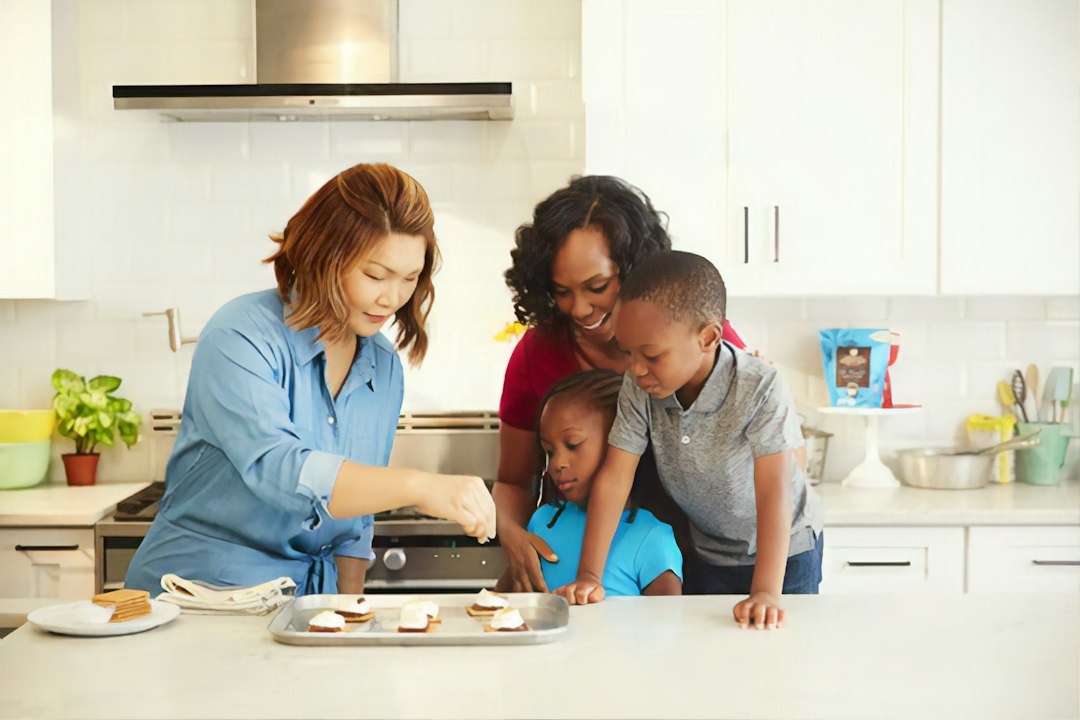
- Dinner prep helpers. Give younger kids a safe job (washing veggies, stirring, setting the table) and older kids a real task (chopping soft items, measuring). Yes, it’s slower at first. Yes, it’s worth it.
- The five-minute reset. Before bed, everyone puts away five things. It’s a game, it’s quick, and it prevents the morning chaos.
When kids feel like contributors, they also feel more connected. And you get a little help—which is its own kind of self-care.
Quiet Activities for Worn-Out Evenings
Some nights, everyone is fried. On those nights, connection can be quiet. Try:
- Family reading time. Everyone grabs a book and sits in the same room for 15 minutes. No discussion required.
- Draw together. Keep a stack of paper and markers on the table. Draw your day, a dream house, or a silly monster.
- Audio stories or podcasts. Pick a kid-friendly podcast and listen while you fold laundry or prep tomorrow’s lunches.
- Puzzle on the table. Leave a jigsaw out all week. People add a piece or two as they walk by. It’s low-pressure and surprisingly calming.
These are the activities that save me on the nights when I have nothing left. They still count as togetherness—and they don’t require me to perform.
Plan for the Week Without Overplanning
I used to make elaborate weekly activity plans. Then real life happened. Now I use a looser approach:
- Pick two “anchor” activities per week. Maybe Monday is walk night and Thursday is game night. The rest of the week is flexible.
- Keep a short list on the fridge. Ours has five ideas: walk, cards, dance party, puzzle, read together. When someone says “I’m bored,” we pick from the list.
- Prep in five minutes or less. Keep a deck of cards, a puzzle, and markers where you can see them. Out of sight really is out of mind.
- Protect one evening. If you can, keep one weeknight free of extracurriculars. It’s a buffer for the inevitable.
In 2026, our family has also leaned into simple tech boundaries: phones go in a basket during dinner and during the 15-minute activity. It’s not perfect, but it helps us actually be present.
Give Yourself Grace
Here’s the real talk: some weeks are survival mode. You might not do a single planned activity, and your family will still be okay. Connection isn’t built in a single Pinterest-worthy evening; it’s built in small, repeated moments over time. A shared laugh while folding socks counts. A ten-minute walk counts. Reading side by side counts.
If you’re a working mom trying to do it all, remember that your kids don’t need a cruise director. They need you—tired, imperfect, and there. So pick one idea from this list, try it this week, and let the rest go. You’re doing better than you think.
Final Thoughts
Weeknight family time doesn’t have to be elaborate or time-consuming. The best activities are the ones that fit your real life: quick games, shared chores, quiet reading, and a walk around the block. Keep the supplies handy, lower the bar, and give yourself credit for the small moments. In 2026, let’s stop chasing the perfect family evening and start enjoying the good-enough ones. You’ve got this—one 15-minute window at a time.
Tags
Related Articles

Meaningful Family Traditions for Working Moms (That Actually Fit Your Life)
Discover realistic family traditions for busy working moms. Simple, low-pressure rituals that build connection without adding to your mental load.
Meaningful Family Traditions for Working Moms (That Actually Fit Real Life)
Tired of guilt over missed moments? Here are simple, doable family traditions for working moms that build connection without adding to your plate.

How Working Moms Survive School-Age Kids' Schedules in 2026
Juggling school, activities, and work? Here's how working moms can manage kids' schedules without losing their minds—practical tips for 2026.