How Working Moms Can Survive School-Age Kids' Schedules in 2026
Juggling school, sports, and work? Here's how real working moms can manage school-age kids' schedules without losing their minds in 2026.
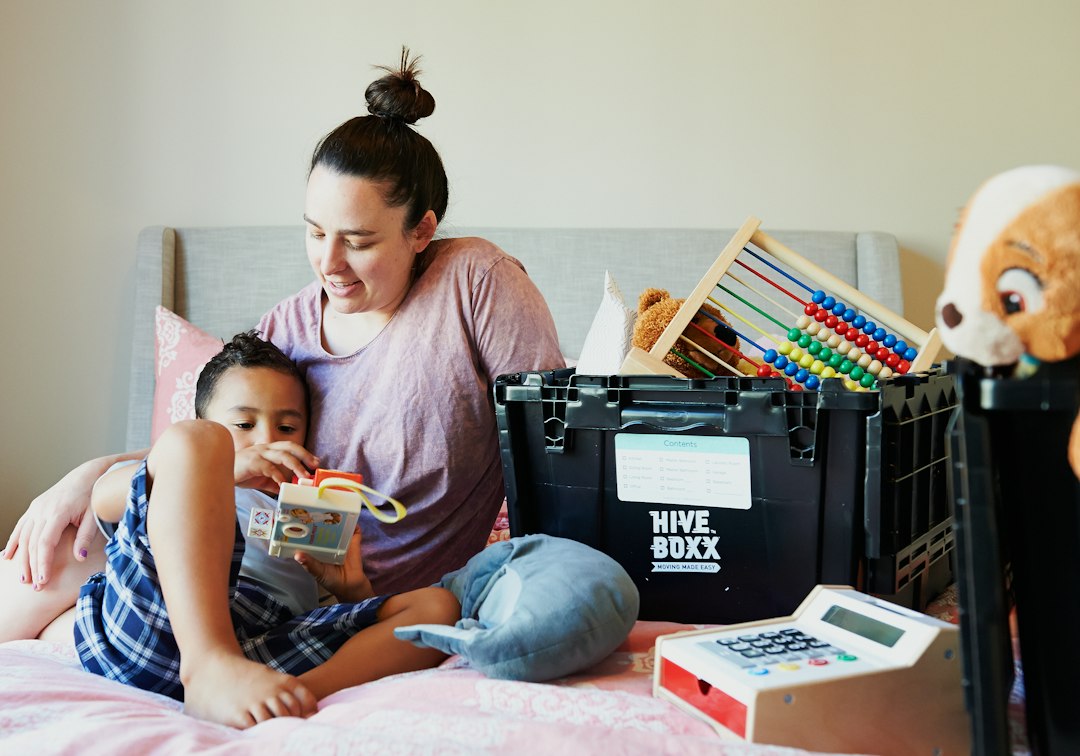
How Working Moms Can Survive School-Age Kids' Schedules in 2026
Let’s be honest: the school-age years are a logistical marathon. Just when you think you’ve got the hang of one season—say, fall soccer and parent-teacher conferences—winter hits with basketball, holiday concerts, and a science fair project that somehow needs three trips to the craft store. Add a full-time job (or a business, or both) and it’s easy to feel like you’re one forgotten permission slip away from a meltdown.
I’ve been there. I’ve also learned that a few practical systems—not perfection—can keep the chaos manageable. Here’s what actually works for our family, and for many of the working moms I talk to.
1. Build a Central Command Center (and Make It Work for You)
You don’t need a Pinterest-worthy wall. You need one place where everyone can see what’s happening. For us, that’s a shared digital calendar (Google Calendar works great) plus a whiteboard by the door for the week’s must-dos. The key is consistency: every Sunday evening, we spend 15 minutes reviewing the week ahead.
- Color-code by person so you can spot conflicts at a glance.
- Add travel time to every event—school pickup to practice is never as quick as you think.
- Sync with your partner (or a grandparent or sitter) so you’re not the only one holding the mental load.
In 2026, most schools push updates through apps like ParentSquare or Remind. Turn on notifications for the essentials, but don’t let every ping derail your workday. Check them at set times—say, lunch and after school pickup.
2. Embrace the Power of ‘No’ (and Prioritize)
Here’s the hard truth: you cannot do it all. And you shouldn’t try. School-age kids are offered a buffet of activities—travel teams, enrichment classes, scouts, music lessons. It’s okay to say no.
Ask yourself: Does this activity bring my child joy, or is it just filling a slot? Does it fit our family’s bandwidth this season? If the answer is no, it’s a no. I’ve found that limiting each child to one or two extracurriculars per season keeps us sane and actually lets them go deep rather than wide.
Also, consider carpooling. In 2026, apps like Carpool Kids make it easier to coordinate with other parents. Trade rides and reclaim hours of your week.
3. Create a Morning and Evening Routine That Runs on Autopilot
Mornings with school-age kids can feel like a race. The fix isn’t waking up at 5 a.m. (unless that’s your thing)—it’s front-loading decisions the night before.
- Pack lunches and backpacks together after dinner. Kids can help, and it teaches responsibility.
- Lay out clothes (including socks and shoes) the night before.
- Use a visual checklist for younger kids: brush teeth, pack folder, fill water bottle.
For evenings, keep it simple: a consistent bedtime for the kids gives you a sliver of adult time to reset. And don’t underestimate the power of a 10-minute tidy-up before bed—it makes the next morning smoother.
4. Protect Your Work Hours (and Your Sanity)
As a working mom, your job doesn’t pause when school lets out. If you work from home or have flexibility, set boundaries. Let your team know your core hours, and block time for school pickup or the occasional classroom party.
If you’re in an office, communicate with your manager about predictable busy seasons (like end-of-quarter) so you can plan around school events. And give yourself grace: you will miss some things. That’s okay. Your child will remember that you showed up for the big moments, not that you missed a random Tuesday assembly.
One practical tip: keep a “school stuff” folder in your email and deal with it twice a week. Otherwise, it piles up and adds to the mental clutter.
5. Build a Backup Plan for Sick Days and Snow Days
School-age kids get sick. Snow days happen. In 2026, remote work is more common, but that doesn’t mean it’s easy to juggle a conference call and a puking first-grader.
- Have a sick-day kit ready: Pedialyte, crackers, a thermometer, and a list of favorite movies.
- Trade sick days with a trusted friend or neighbor—you cover their kid one day, they cover yours another.
- Know your backup care options: a nearby grandparent, a sitter on standby, or a drop-in daycare.
And if you have to take a personal day, take it without guilt. Your family’s health comes first.
6. Don’t Forget Yourself
It’s easy to put your own needs last. But you can’t pour from an empty cup. Schedule time for yourself the same way you schedule your kids’ activities. It can be a 20-minute walk, a coffee date with a friend, or simply reading a book in the car while waiting for practice to end.
In 2026, many gyms and studios offer short, efficient workouts (think 30-minute HIIT or yoga) that fit into a lunch break. And if you’re feeling overwhelmed, talk to someone—a friend, a therapist, or a support group for working moms. You’re not alone in this.
Final Thoughts
Navigating school-age schedules is a constant balancing act, and some weeks will go better than others. The goal isn’t perfection—it’s progress. Build a system that works for your family, give yourself permission to say no, and remember that your worth isn’t measured by how many activities you can juggle.
You’re doing better than you think. And on the days when it all falls apart? Order pizza, laugh about it, and start fresh tomorrow. That’s momlife.
Tags
Related Articles

How to Build a Working Mom Support System That Actually Works
Feeling like you're doing it all alone? Here's how to build a real support system as a working mom—without guilt, overwhelm, or waiting for permission.
How to Build a Working Mom Support System (That Actually Works)
Feeling like you're doing it all alone? Here's how to build a real support system as a working mom—without guilt, awkwardness, or overwhelm.

Beat Working Mom Guilt With Quality Family Time (Not More Hours)
Working mom guilt is real, but you don't need more hours to fix it. Here's how to build small, consistent moments of quality family time that actually count in 2026.