How Working Moms Can Survive School-Age Schedules in 2026
Juggling school pickups, practices, and work meetings? Here's how real working moms stay sane with school-age kids' schedules in 2026.
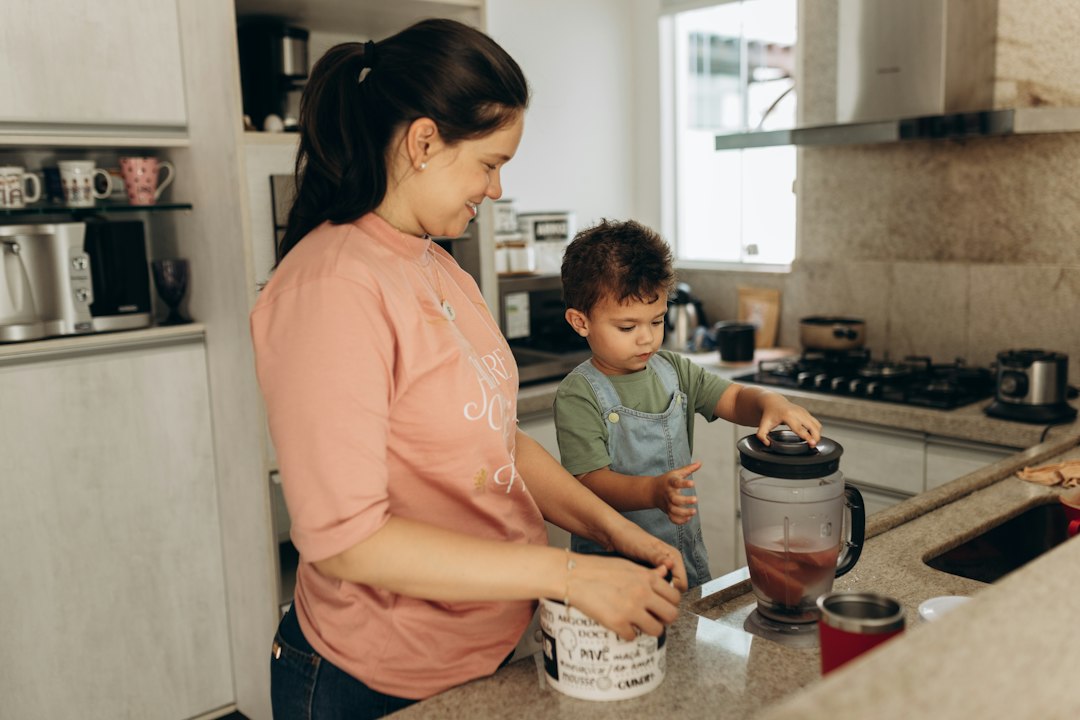
How Working Moms Can Survive School-Age Schedules in 2026
Let’s be honest: the school-age years are a logistical marathon. Between drop-offs, pickup lines, spelling tests, soccer practice, and the ever-present “I forgot my lunch” text, it’s a lot. Add a full-time career to the mix and you’ve got a recipe for burnout if you’re not careful. I’ve been there—white-knuckling my calendar while trying to look calm in a Zoom meeting. The good news? You don’t have to be perfect. You just need a few systems that actually work for your real life.
1. Build a Central Command Center (Not Just Your Phone)
For years, I relied on my phone calendar. It worked until it didn’t—like the time I scheduled a dentist appointment during my daughter’s spring concert. Oops. In 2026, we have more tools than ever, but the key is a single source of truth that everyone can see.
- Choose one shared digital calendar (Google Calendar, Apple Calendar, or Cozi) and stick with it. No more “I thought you were picking up” texts.
- Color-code by person—it sounds Type A, but visual cues help you spot conflicts fast.
- Do a weekly Sunday sync—10 minutes to review the week ahead and flag any overlaps.
- Keep a paper backup on the fridge for the current week. Yes, paper. Kids can see it, grandparents can see it, and it doesn’t die when your phone does.
2. Embrace the Power of “Good Enough”
We can’t do it all, and we shouldn’t try. School-age kids have a way of multiplying commitments—birthday parties, field trips, after-school clubs. If you aim for 100% attendance at everything, you’ll run yourself ragged.
- Prioritize what matters most to your child and your family values. Maybe that’s one sport per season, not three.
- Say no without guilt. “We can’t make it this time” is a complete sentence.
- Rotate obligations. If you’re on the PTA this year, skip the classroom volunteering. Swap with your partner or a friend.
- Outsource when possible. Grocery delivery, a cleaning service twice a month, or a neighborhood teen who can do school pickup once a week—these aren’t luxuries; they’re sanity savers.
3. Create a Rock-Solid Morning Routine
Mornings set the tone for the whole day. I used to wake up already behind, yelling about socks while trying to find my laptop charger. Now, we prep the night before and it’s a game-changer.
- Pack lunches and backpacks the night before—involve the kids. Even a 6-year-old can put a snack in their bag.
- Lay out clothes (including shoes) for everyone, including you.
- Set a “launch pad” by the door for keys, permission slips, and sports gear.
- Wake up 15 minutes earlier than you think you need. Those extra minutes are for coffee, deep breaths, or finding the missing library book.
- Use visual checklists for younger kids—a simple picture chart of “brush teeth, get dressed, eat breakfast” can reduce nagging.
4. Divide and Conquer with Your Partner
If you’re parenting with a partner, you shouldn’t be the default social secretary and logistics manager. That’s a fast track to resentment. Sit down and divvy up responsibilities based on strengths and schedules—not gender stereotypes.
- Assign “domains”—one person handles school communication, the other handles sports and activities.
- Trade off pickup/drop-off based on meeting schedules. Use a shared note or app to track who’s doing what.
- Plan for the unexpected. Have a backup list of two people who can pick up your kid if you’re stuck in traffic or a meeting runs late.
- Review weekly. A quick Sunday check-in can catch conflicts before they become crises.
5. Build a Reliable Village
We’re not meant to do this alone. In 2026, building a village might look different—neighborhood group chats, school parent portals, or a co-op of working parents—but it’s still essential.
- Connect with other working parents in your child’s class. Set up a carpool rotation for activities.
- Be explicit about your needs. “I can do Tuesday pickups if you can cover Thursday” works better than vague offers.
- Use technology to coordinate—shared spreadsheets for carpool schedules, group texts for last-minute changes.
- Don’t forget grandparents or extended family if they’re nearby and willing. A weekly grandparent pickup can be a gift for everyone.
6. Protect Your Own Sanity (Yes, Really)
You can’t pour from an empty cup. I know it sounds cliché, but it’s true. When I skip my morning walk or stay up too late scrolling, I feel it—and so does my family.
- Schedule “me time” like a meeting. Even 15 minutes of quiet coffee before the house wakes up counts.
- Lower the bar on housework. A tidy house is nice, but a calm mom is better. Involve kids in age-appropriate chores.
- Have a “sanity fund”—a small budget for takeout on chaotic nights or a last-minute babysitter.
- Check in with yourself weekly. Are you constantly stressed? Something needs to change. Maybe it’s dropping an activity or asking for help.
Final Thoughts
Navigating school-age schedules without losing your mind isn’t about being perfect—it’s about being intentional. You’ll still have days where you forget the permission slip or miss a pickup. That’s okay. Give yourself grace, lean on your systems, and remember that you’re doing a great job. Your kids won’t remember the perfectly color-coded calendar; they’ll remember that you showed up, even on the messy days. And that’s more than enough.
Tags
Related Articles

7 Easy Weeknight Family Activities for Busy Working Moms (2026)
Tired of the dinner-bath-bed scramble? These 7 low-effort, high-connection weeknight activities fit real working-mom schedules—no Pinterest pressure required.
How to Build a Working Mom Support System That Actually Works
Feeling like you're doing it all alone? Here's how to build a real support system as a working mom—without guilt, awkwardness, or a village you don't have.

How to Survive School-Age Kids' Schedules Without Losing Your Mind
Practical, real-talk strategies for working moms to manage school-age kids' chaotic schedules—without the mom guilt or burnout. From a mom who's been there.