Pantry Organization Hacks for Busy Moms (2026 Edition)
Discover simple pantry organization hacks for busy moms to save time, reduce stress, and make meal prep a breeze. Real-talk tips inside.
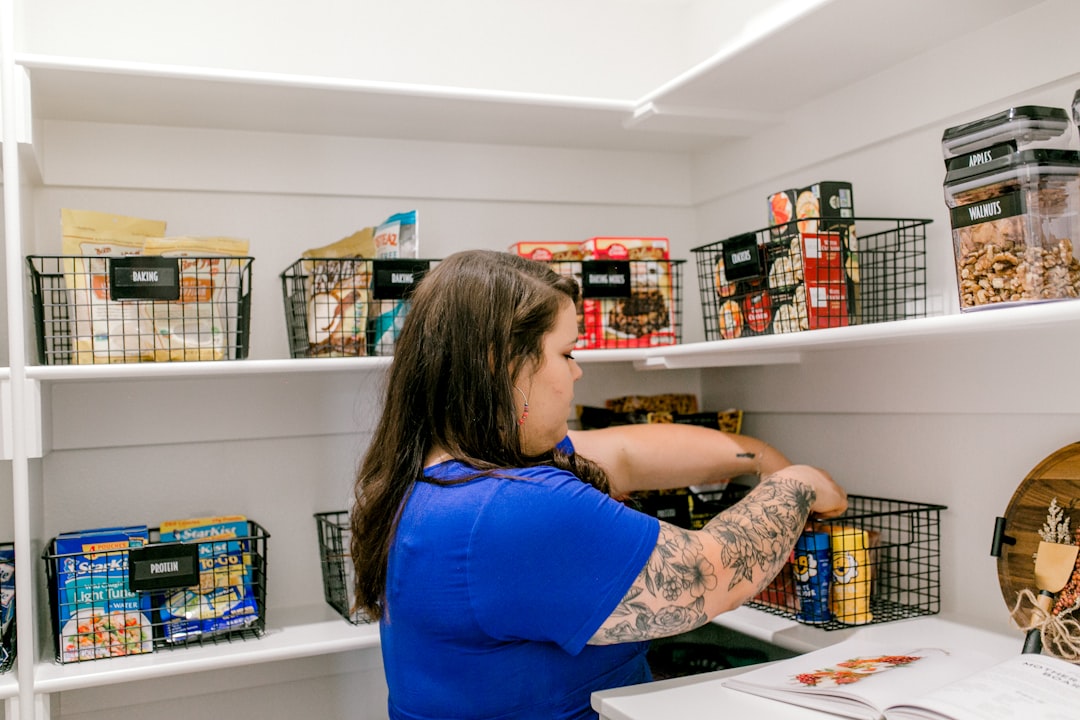
Pantry Organization Hacks for Busy Moms (2026 Edition)
Let’s be honest: the pantry is the heart of the home—and sometimes the most chaotic. Between school lunches, after-school snacks, and the endless question of “What’s for dinner?”, a cluttered pantry can add unnecessary stress to your day. But here’s the good news: you don’t need a Pinterest-perfect pantry to make your life easier. You need systems that work for your real life. In 2026, we’re all about smart, sustainable solutions that save time and energy. So grab a cup of coffee (or wine, no judgment), and let’s dive into some practical pantry organization hacks that actually stick.
Start with a Pantry Audit (The 15-Minute Reset)
Before you buy a single bin or label, take everything out. Yes, everything. This is your moment to see what you actually have, what’s expired, and what’s been hiding behind that bag of flour since 2023. Set a timer for 15 minutes—this prevents you from getting overwhelmed and turning it into a full-day project.
- Group items by category: canned goods, grains, snacks, baking supplies, etc.
- Check expiration dates. Toss anything past its prime, and donate unopened non-perishables you know you won’t use.
- Wipe down shelves while they’re empty.
This audit isn’t just about cleaning—it’s about resetting your mental load. When you know what’s in your pantry, you’ll stop buying duplicates and start using what you have. That’s a win for your wallet and your sanity.
Zone Your Pantry Like a Pro
Once everything is out, it’s time to create zones. Think of your pantry like a grocery store: you want to find things quickly without digging. Assign each category a specific shelf or area, and keep it consistent.
For example:
- Top shelf: Baking supplies, oils, vinegars (things you use less often)
- Middle shelf: Everyday items like cereal, pasta, and canned goods (eye-level for you and kids)
- Bottom shelf: Snacks for kids, pet food, and bulk items (easy for little hands to reach)
If you have deep shelves, use clear, stackable bins to prevent items from sliding to the back. And don’t forget about vertical space—use risers for cans and jars to maximize visibility.
The key is to make it foolproof. If everything has a home, it’s easier to put things back—and easier for your family to help out.
Label Everything (But Keep It Simple)
Labels are a game-changer, but they’re only useful if they’re easy to update. For a busy mom, handwritten chalk labels or a simple label maker are your best friends. You don’t need fancy vinyl stickers that take forever to change when you swap out a product.
- Use clear, readable fonts and place labels on the front of containers or bins.
- For dry goods like flour, sugar, and pasta, decant into clear containers and label the lid or side.
- Don’t label individual cans—just label the bin or shelf. This saves time and allows flexibility.
Labels also help your kids and partner find things without asking you a million questions. That’s a small win that adds up over the week.
Embrace the “First In, First Out” Rule
You know that feeling when you find a box of mac and cheese that expired three months ago? Avoid that by practicing FIFO (first in, first out). When you buy new items, place them behind older ones. This ensures you use older products before they expire, reducing food waste and saving money.
To make this easier, keep a small “use first” bin or shelf for items that need to be eaten soon. This is especially helpful for pantry staples you buy in bulk, like canned tomatoes or pasta.
In 2026, with food prices still on everyone’s mind, this hack is more relevant than ever. You’ll be amazed at how much you save when you actually use what you have.
Use Clear Containers for Bulk Items (But Don’t Overdo It)
Clear containers are a Pinterest favorite, and for good reason: they make your pantry look tidy and help you see exactly how much you have. But let’s be real—decanting every single item takes time and money. Pick your battles.
Focus on items you use daily or weekly: cereal, oats, rice, pasta, flour, sugar, and snack mixes. For these, clear airtight containers are worth the investment because they keep food fresh and prevent pests.
For everything else, use the original packaging but corral them in labeled bins. For example, keep all snack packs in one bin and all canned goods in another. This gives you the visual order without the extra work.
Pro tip: Use a permanent marker to write the expiration date on the container lid—easy to do and easy to wipe off later.
Make the Pantry Kid-Friendly (and Partner-Friendly)
If you’re the only one who can find the goldfish crackers, you’re doing too much work. Create a designated “snack zone” that’s accessible to kids. Use low, clear bins or baskets with easy-open lids. Label them with pictures or simple words so even non-readers can help themselves.
For your partner, make it obvious where the coffee, cereal, and lunch staples live. A simple “breakfast station” with mugs, coffee pods, and cereal bowls can streamline morning chaos.
When everyone knows the system, you’re not the only one who can maintain it. That’s the ultimate goal of pantry organization: to make your life easier, not to create a museum.
Maintain It with a Weekly 5-Minute Reset
No matter how great your system is, life happens. That’s why I recommend a weekly “pantry reset” that takes just 5 minutes. Set a reminder on your phone, maybe on Sunday evenings before the new week starts.
- Put away any misplaced items.
- Check for empty containers or low supplies.
- Wipe down any sticky spots.
- Move “use first” items to the front.
This tiny habit keeps your pantry functional without turning into a chore. Plus, it’s a great way to involve your kids—make it a game to see who can put things back fastest.
Final Thoughts
A organized pantry isn’t about perfection—it’s about peace of mind. When you can find the ingredients you need in seconds, you’re more likely to cook at home, save money, and reduce stress. And as a working mom, that’s precious.
Remember, you don’t have to do everything at once. Start with one shelf or one category. Celebrate the small wins. And don’t be afraid to adjust your system as your family’s needs change.
You’ve got this. Now go enjoy that extra 10 minutes you just saved—you deserve it.
Tags
Related Articles
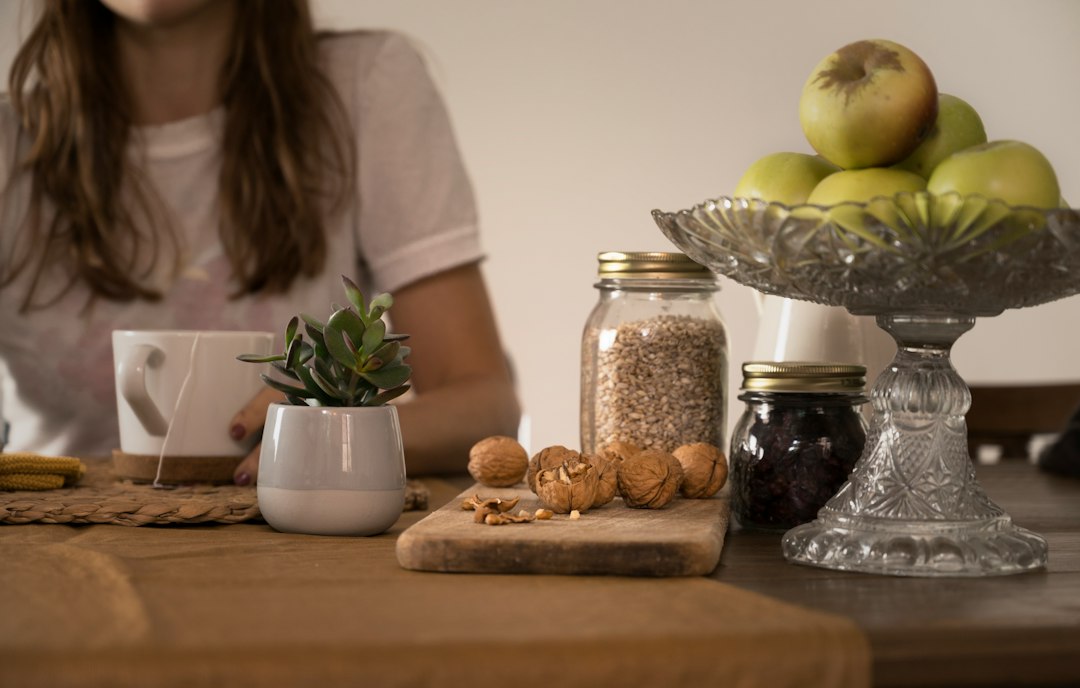
The 10-Minute Daily Home Reset Every Working Mom Needs
A realistic 10-minute home reset routine for working moms. Small daily habits that keep the house from spiraling—without losing your whole evening.
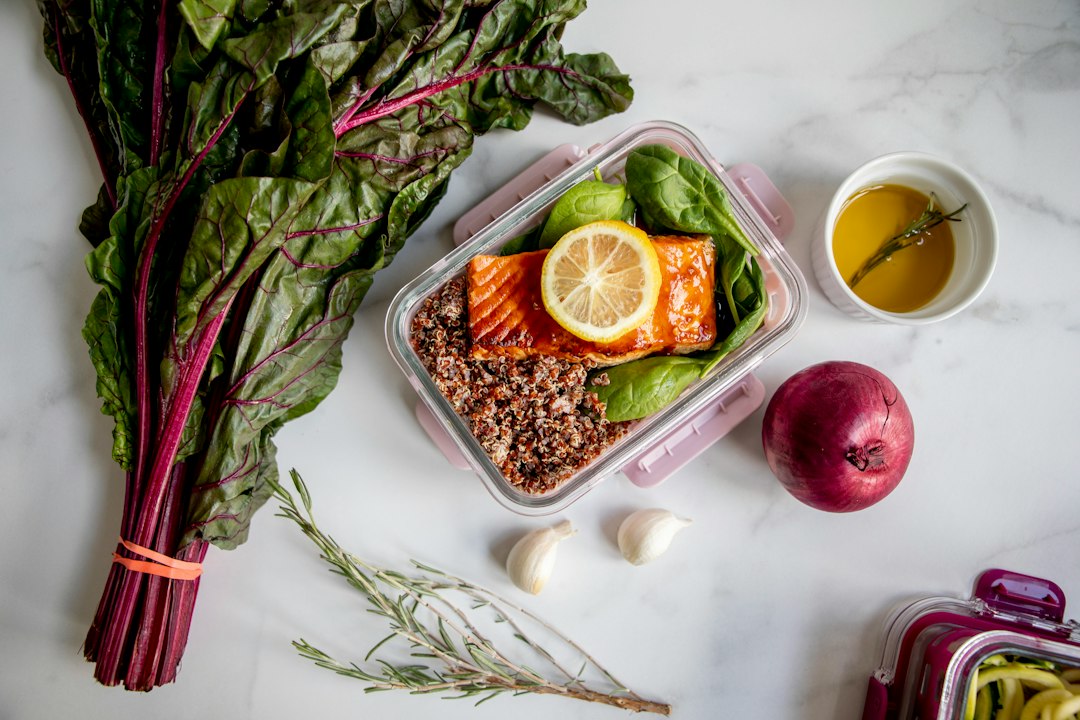
Quick Weeknight Meal Prep for Working Moms: 7 Real-Life Ideas
Tired of the 6 p.m. scramble? These quick weeknight meal prep ideas for working moms are practical, flexible, and actually doable on busy days.
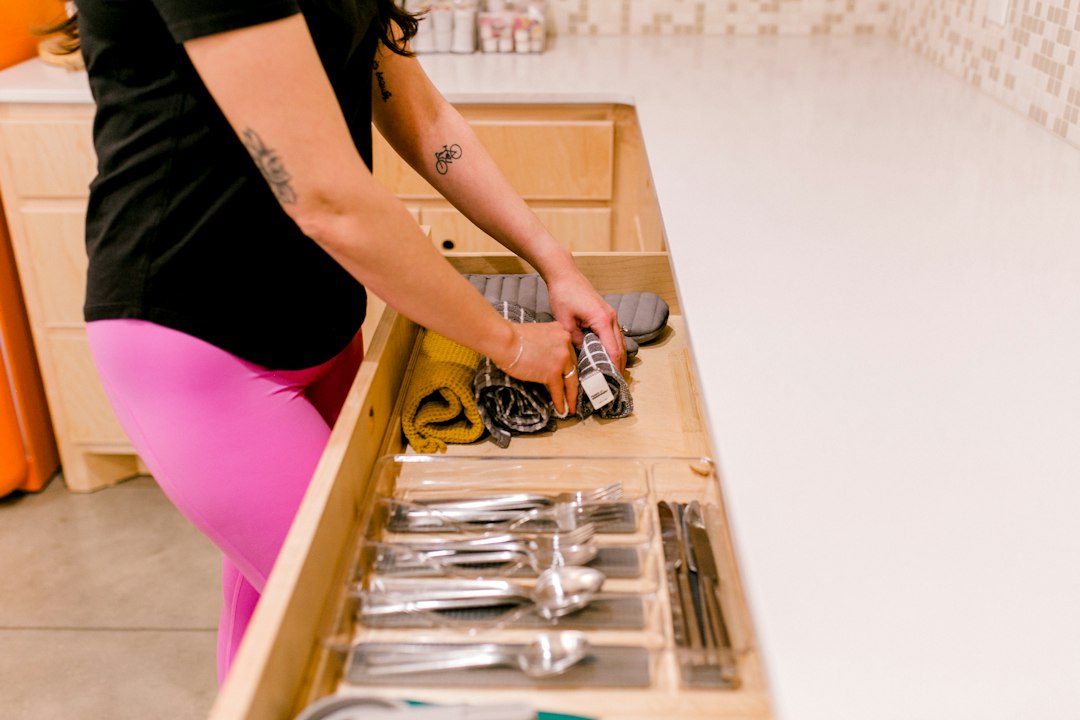
Pantry Organization Hacks for Busy Moms: Quick Wins That Stick
Tired of digging through a chaotic pantry at 6 p.m.? These realistic pantry organization hacks help working moms save time, reduce stress, and keep snacks findable.