Pantry Organization Hacks for Busy Moms: Real-Life Tips That Stick
Tired of digging through a chaotic pantry? These realistic pantry organization hacks for busy moms help you save time, reduce stress, and keep snacks where they belong.
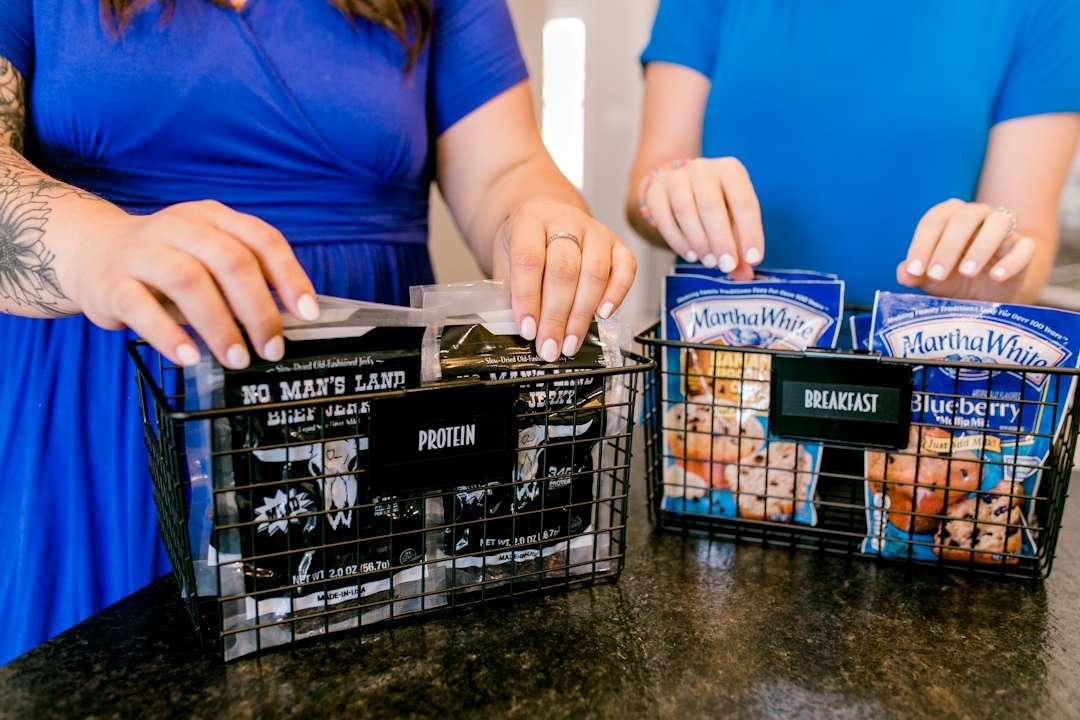
Pantry Organization Hacks for Busy Moms: Real-Life Tips That Stick
You know that moment when you're already running late, one kid can't find their lunchbox, and you're digging through a shelf of half-open cracker boxes for the last granola bar? Yeah. Been there. The pantry is one of those places that quietly shapes your whole day — or derails it. The good news is you don't need a Pinterest-perfect walk-in with matching glass jars to make it work. You need a system that fits your real life, your real budget, and the fact that you're doing this in five-minute pockets of time.
Here's what I've learned after years of trial and error (and more than a few expired cans of beans). These pantry organization hacks are practical, affordable, and — most importantly — sustainable for a working mom in 2026.
Start with a 20-Minute Reset, Not a Full Overhaul
The biggest mistake we make is thinking pantry organization requires a whole Saturday. It doesn't. A quick reset gets you 80% of the way there.
Set a timer for 20 minutes and do this:
- Pull everything off one shelf at a time. Not the whole pantry. One shelf.
- Toss the obvious: expired items, stale chips, mystery bags with no label.
- Group like with like as you put things back — all baking items together, all snacks together, all canned goods together.
- Wipe the shelf while it's empty. It takes 30 seconds and makes the whole thing feel worth it.
That's it. Do one shelf today, another one tomorrow while dinner simmers. By the end of the week, you've got a functioning pantry without losing a weekend. If you want to go a step further, keep a small donation bag nearby for unopened items your family won't eat. Someone else will.
Use Zones That Match Your Actual Routines
Labeling shelves "baking" and "canned goods" is fine, but the real magic happens when you organize by who uses what and when. Think of your pantry in zones based on your family's daily rhythm.
Here's a zoning setup that works for most busy families:
- Kid zone (bottom two shelves): snack bins, cereal, lunchbox items, and anything the kids are allowed to grab themselves. Keep it low so they can reach it without climbing.
- Daily cooking zone (eye level): pasta, rice, oils, spices you use most, canned tomatoes. This is where you'll reach during the weeknight rush, so make it easy.
- Backstock zone (top shelf): extra cereal, bulk buys, seasonal items. Out of the way but still visible.
- Grab-and-go zone (near the door): granola bars, fruit pouches, crackers. This is your 7 a.m. lifeline.
The key is to put the things you use most where you can see and reach them without moving three other things. If your kids can serve themselves a snack without asking, you've just bought yourself ten minutes of peace.
Corral the Chaos with Bins, Not Jars
I love the look of matching glass jars as much as anyone, but let's be honest: they're heavy, they break, and they don't fit a box of fruit snacks. For real-life families, clear bins and baskets are the workhorses.
A few rules of thumb:
- Use clear or open bins so you can see what's inside. If you can't see it, it might as well not exist.
- Label bins with a marker or label maker — "Snacks," "Lunchbox," "Baking," "Pasta & Rice." Keep it simple.
- Don't over-buy bins before you know your categories. Measure your shelves first, then buy. A bin that doesn't fit is just more clutter.
- Repurpose what you have. Shoe boxes, plastic takeout containers, and sturdy gift baskets all work. Nobody's grading your pantry aesthetic.
One bin per category is usually enough. If a bin is overflowing, that's your cue to pare down — not to buy a bigger bin.
Make It Kid-Friendly (and Mom-Friendly)
A pantry that works for your kids is a pantry that works for you. The goal is fewer "Mom, where's the..." moments and more independence.
Try these:
- Create a "snack station" with pre-portioned snacks in a low bin. On Sunday, spend ten minutes dividing big bags of pretzels, crackers, and trail mix into small containers or bags. It feels like a chore, but it saves you every single afternoon.
- Use a lazy Susan for condiments, sauces, and small jars. No more reaching into the back and knocking everything over.
- Keep a "lunchbox basket" at kid height with juice boxes, applesauce pouches, and napkins. Kids can pack their own lunch sides while you finish your coffee.
- Put a small step stool in the pantry if your kids are old enough to use it safely. It opens up the middle shelves for them.
And for you: keep a small basket for "open bags" — the half-used bag of chocolate chips, the open box of crackers. It keeps crumbs contained and makes it easy to use things up before they go stale.
Maintain It with a 5-Minute Weekly Habit
The hardest part of any organizing system is keeping it going. The trick is to build in a tiny maintenance routine instead of waiting for the next big overhaul.
Here's what works for me:
- Sunday reset (5 minutes): Before I write the grocery list, I do a quick scan of the pantry. What's about to expire? What's running low? What did we not touch this week? This also helps me plan meals around what we already have.
- The "one in, one out" rule: When you bring home a new box of cereal, finish the old one first. It sounds small, but it keeps shelves from overflowing.
- A monthly "eat me first" basket: Put items that are nearing their date in a small basket at eye level. Challenge your family to use them up. It's like a mini game, and it cuts down on food waste.
- Involve the kids: My rule is that everyone puts their own snacks away after a grocery run. It's not perfect, but it builds the habit.
If you can do one of these consistently, you're ahead of the game. Don't try to do all four at once.
Small Upgrades That Make a Big Difference in 2026
A few low-effort, high-impact upgrades worth considering this year:
- Stackable shelf risers — they double your vertical space, especially for cans and jars.
- A magnetic grocery list pad on the pantry door — jot down what's running low as you see it, so you're not trying to remember at the store.
- Clear stackable containers for bulk staples (flour, sugar, oats) — not because they're pretty, but because they keep bugs out and let you see how much you have left.
- A small battery-powered motion light — sounds silly, but being able to see the back of a deep shelf changes everything.
None of these are expensive, and you can add them one at a time. Start with whatever solves your biggest daily frustration.
Final Thoughts
Your pantry doesn't need to look like a magazine spread. It needs to work for the way your family actually lives — which means it should be easy to use, easy to maintain, and forgiving when life gets messy. Start with one shelf, one bin, or one five-minute reset. That's enough to make your mornings a little smoother and your evenings a little calmer.
And if you find a mystery bag of something in the back, toss it. You've got enough to do.
Tags
Related Articles
Quick Weeknight Meal Prep for Working Moms (2026 Guide)
Realistic meal prep ideas for busy working moms. Prep once, eat well all week with simple strategies, smart shortcuts, and kid-approved recipes.
Pantry Organization Hacks for Busy Working Moms (2026 Guide)
Tired of chaotic pantry shelves? These realistic pantry organization hacks help busy working moms save time, reduce stress, and get dinner on the table faster.
Sunday Reset Routine for Working Moms: Stress-Free Week
A realistic Sunday reset routine for working moms. Simple, flexible steps to prep your home, meals, and mind so the week ahead feels calmer and more manageable.