Ultimate Road Trip with Kids: Tips & Packing List
Ultimate Road Trip with Kids: Tips & Packing List
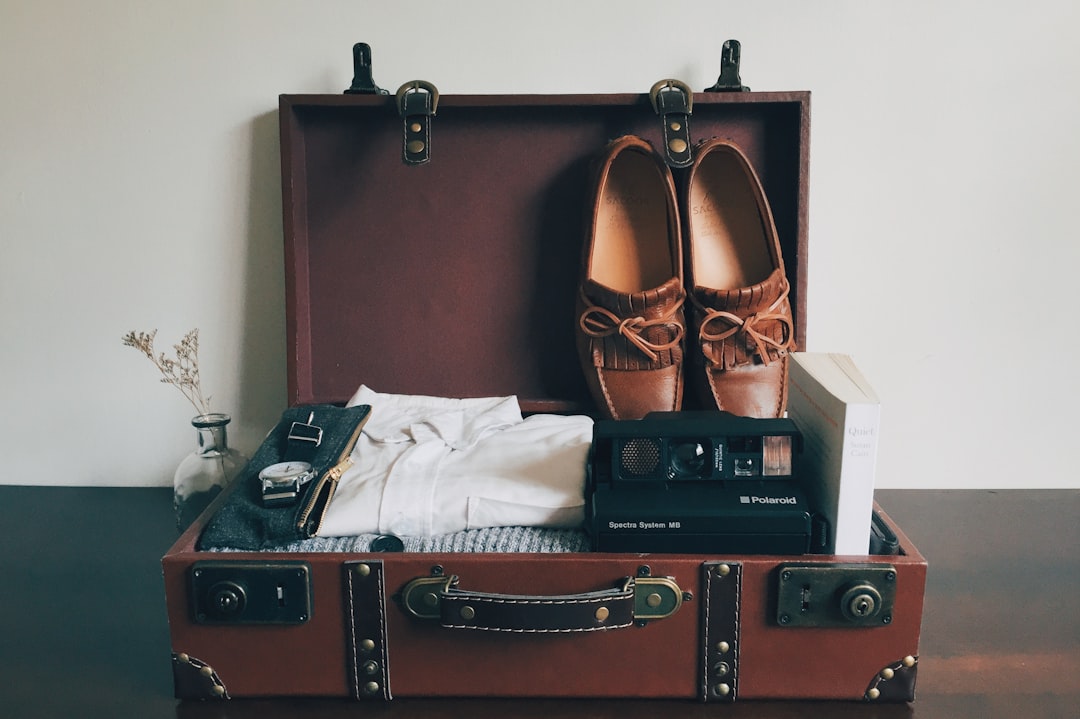
Hook: The Moment I Knew I Needed a Better Plan
Let me paint you a picture. It’s 6:30 AM on a Saturday. I’ve already packed three bags, made two dozen snacks, and refilled the yeti cup with coffee for the third time. My kids (ages 5 and 8) are strapped into their car seats, and we’re pulling out of the driveway for a 6-hour road trip to the Grand Canyon.
Ten minutes later, my daughter asks, “Are we there yet?”
Twenty minutes later, my son announces he’s “bored” and “hungry” simultaneously.
By the 45-minute mark, I’ve already handed back the iPad, the snack bag, and my last shred of patience. My husband looks at me and says, “This was supposed to be educational.”
I laugh-cried. Because, honestly? I had big plans. I’d printed out worksheets. I’d bought a national parks guidebook. I’d even packed a magnifying glass. But somewhere between the first bathroom break and the third “I have to pee” in 20 miles, I realized: Road trips with kids are less about the destination and more about surviving the journey.
But here’s the good news: It doesn’t have to be that way. After a dozen family road trips (some epic, some… not so much), I’ve cracked the code. This isn’t about perfection. It’s about progress. And I’m going to share exactly what worked for us—so you can skip the learning curve.
Ultimate Road Trip with Kids: Tips & Packing List
H2: The “Boredom Buster” Strategy That Actually Works (No Screens Required)
Let’s be real: Screens are a lifeline. But if you’re like me, you want your kids to learn something on vacation—not just zone out to Bluey for 6 hours. The key? Bite-sized, interactive activities that feel like play, not school.
Here’s my go-to formula:
- The “I Spy” Upgrade: Instead of colors, try shapes, letters, or even state license plates. My 8-year-old loves tracking how many out-of-state plates we spot. (Pro tip: Keep a small whiteboard and dry-erase markers in the car. It’s a game-changer for tallying and drawing.)
- Audiobooks with a Twist: We love The Magic Tree House series. Before we start, I ask, “What do you think Jack and Annie will discover today?” After the chapter, we pause and discuss. It’s low-pressure but keeps their brains engaged.
- The “Trash Bag” Art Kit: Yes, you read that right. I grab a small paper bag and toss in a few supplies: stickers, crayons, a small notebook, and a couple of pipe cleaners. No instructions. Just creative freedom. My kids have made cars, animals, and even “time machines” out of these kits. Cost: Under $5 per bag.
Why this works: It’s not about the activity itself—it’s about the interruption of boredom. Kids need small, frequent breaks from the monotony of the road. And honestly? These moments are when the best conversations happen. My daughter once asked me, “Mom, why is the sky blue?” while we were counting cows. That’s the kind of learning you can’t plan.
Quick Win: Pack a “boredom buster” bag for each kid. Fill it with 3-4 small items they’ve never seen before (think: dollar store finds). Don’t show it to them until they say the B-word. Instant reset.
H2: The Packing List That Saves Your Sanity (And Your Back)
I used to overpack. Like, way overpack. I’d bring the entire playroom, a full wardrobe for every weather scenario, and three types of snacks. Then I’d spend the first hour of the trip digging through bags, muttering under my breath.
Now? I follow the “Rule of Three” for everything:
- 3 outfits per kid: One for travel, one for play, one for emergencies. (And yes, that includes socks and underwear. Trust me.)
- 3 entertainment categories: Silent (books, headphones), interactive (games, art), and physical (a small ball, a jump rope for rest stops).
- 3 snack types: Crunchy (pretzels, apple slices), chewy (granola bars, fruit leather), and “special” (one treat per day—like a mini candy bar or a pouch of their favorite yogurt).
Product recommendations (that I actually use):
- The “Snackle Box”: A fishing tackle box ($12.99 at Walmart) filled with individual compartments for snacks. No more digging through a bag of pretzels. Each kid gets their own box. It’s a game-changer.
- Car Seat Organizer: I swear by the Munchkin Brica Car Seat Organizer ($14.99 on Amazon). It hangs over the back of the front seat and holds sippy cups, snacks, and small toys. No more “Mom, I dropped my water!” every 5 minutes.
- Portable DVD Player: Yes, it’s old-school, but it works. The GPX Portable DVD Player ($49.99 at Target) has a 10-inch screen and a built-in stand. We load it with educational DVDs (think National Geographic Kids) and use it as a “special treat” during the last hour of the drive.
What I wish I knew: Don’t pack the car the night before. I know it sounds efficient, but kids will see the bags and get hyped. They’ll ask to open snacks, play with toys, or “help” by rearranging things. Instead, pack the car while they’re eating breakfast that morning. It’s chaotic, but it saves you from re-packing twice.
H2: How to Turn Rest Stops into Mini Learning Adventures
Rest stops are the unsung heroes of road trips. But they’re also where my kids lose their minds—running in circles, begging for candy, and asking “Can we go yet?” before we’ve even parked.
Here’s how I flipped the script:
- The 5-Minute Nature Scavenger Hunt: Before we get out, I hand each kid a list (printed on a small card) with 5 items to find: a pinecone, a yellow flower, a smooth rock, a bird, and something that makes a sound. They have 5 minutes to check off as many as they can. It’s amazing how focused they get. (Bonus: They’re moving their bodies, which helps with the next leg of the drive.)
- The “State Sign” Game: Every rest stop has a welcome sign or a historical marker. I challenge my kids to read it aloud and tell me one fact they learned. My 8-year-old recently discovered that our state’s official bird is the goldfinch. He’s been telling everyone about it for weeks.
- The “Stretch and Learn” Routine: We do 3 simple stretches (toe touches, arm circles, neck rolls) and 1 “brain break” (like a quick math problem or a riddle). It sounds silly, but it resets their focus. And honestly? It helps me, too.
Why this matters: Rest stops are free, low-pressure learning opportunities. They break up the monotony of the car and give kids a chance to reset. Plus, they’re a great way to incorporate weekend getaways near me—even if you’re just stopping for 15 minutes, you can make it memorable.
Quick Win: Print a simple scavenger hunt list before you leave. Laminate it (or put it in a ziplock bag) and use a dry-erase marker. Reusable for every rest stop on the trip.
H2: The “What I Wish I Knew” Section (From a Mom Who’s Been There)
I’m going to be honest: I’ve made every mistake in the book. Here’s what I wish someone had told me before our first big road trip with kids:
- Pack a “Car Cleanup” Kit: You’ll spill something. Probably coffee. Definitely snacks. Keep a small bag with wet wipes, paper towels, a trash bag, and a change of clothes for you. (Yes, you. I once spilled a full cup of iced coffee on my lap 30 minutes into a 4-hour drive. I wore those jeans for the entire trip.)
- Plan for the “Witching Hour”: Between 4 PM and 6 PM, kids get hangry. That’s when we hit the “no screens” rule and switch to audiobooks or sing-alongs. It’s not perfect, but it’s better than the alternative (which is usually crying, whining, or both).
- Don’t Over-Schedule: I used to plan every minute of the trip—rest stops every 2 hours, a museum visit at lunch, a hike before dinner. Now? I pick 2 “must-do” activities per day and leave the rest open. The best memories happen in the in-between moments: stopping at a random diner, finding a playground you didn’t plan, or just sitting in the car watching the clouds.
- Let Go of the “Educational” Pressure: I wanted every moment to be a teaching moment. But sometimes, the best learning is just being together. My kids learned more about geography from asking “What state is that?” than from any worksheet I printed. Trust the process.
H2: Weekend Getaways Near Me: The Ultimate Short-Trip Hack
Not every road trip has to be a cross-country adventure. Some of my favorite weekend getaways near me have been spontaneous 2-hour drives to a state park or a small town.
Here’s how to make a short trip feel epic:
- The “Mini Road Trip” Packing List: You don’t need the whole car. Pack one bag per person (plus a small cooler) and call it done. I use a REI Co-op Stuff Travel Duffel ($49.95) for each kid—it’s lightweight, waterproof, and fits under the seat.
- The “One Thing” Rule: Each kid gets to choose one “special” item to bring. It can be a stuffed animal, a book, or a small toy. No arguments. No negotiation. (Pro tip: If they choose something noisy, like a musical instrument, set a boundary: “You can play it at the rest stop, but not in the car.”)
- The “Surprise Stop”: On the way home, we stop at a random ice cream shop or a local bakery. It’s a small treat that makes the trip feel special—and gives everyone something to look forward to.
Why this works: Short trips are lower pressure. There’s less packing, less planning, and less stress. And honestly? They’re often more memorable than the big vacations. My kids still talk about the time we drove 2 hours to a pumpkin patch and spent the whole afternoon on a hayride.
FAQ
1. How do I keep my kids entertained on a long road trip without screens?
Honestly? Screens are fine in moderation. But if you want screen-free options, try audiobooks, magnetic travel games (like ThinkFun’s Rush Hour), or a “storytelling” game where each person adds one sentence to a story. My kids love the “I Spy” challenge I mentioned earlier—it’s simple but effective.
2. What’s the best way to handle bathroom breaks?
Plan for more than you think you’ll need. I aim for a stop every 2 hours, even if no one says they have to go. It prevents the “I have to pee NOW” panic. And always carry a portable potty seat (like the Osprey Pee Bottle for boys, or a TravelJohn for girls) for emergencies. Trust me, it’s worth it.
3. How do I pack for a road trip without overpacking?
Use the “Rule of Three” I mentioned earlier: 3 outfits per person, 3 entertainment categories, and 3 snack types. And remember: You can always buy things you forgot. (I’ve bought toothpaste at a gas station more times than I care to admit.)
4. What are the best snacks for a road trip with kids?
Crunchy, chewy, and “special.” Think: pretzels, apple slices, granola bars, fruit leather, and one treat per day (like a mini candy bar). Avoid anything that melts (chocolate, cheese) or creates a mess (yogurt tubes, crackers with crumbs).
Your Turn: 3 Action Items to Start Your Road Trip
- Pack your “boredom buster” bags today. Grab a small bag for each kid and fill it with 3-4 new items. Label them with their names and hide them until the trip.
- Download a scavenger hunt list. Print it (or save it to your phone) and bring a dry-erase marker for reuse. I love the free printable from The Road Trip Life.
- Set a “no over-scheduling” rule. Pick 2 activities per day and leave the rest open. Write them on a sticky note and put it on your dashboard as a reminder.
You’ve got this. And remember: The goal isn’t a perfect trip. It’s a trip where you all come home with stories to tell. (Even if one of those stories involves a coffee spill and a very patient husband.) Happy driving, mama. 🚗✨
Tags
Related Articles

Stress-Free Air Travel with Kids: 7 Tips for Working Moms
Flying with kids doesn't have to be a nightmare. Discover practical, working-mom-tested tips for a smooth, stress-free air travel experience in 2026.

Weekend Getaways for Busy Working Moms: 2026 Guide
Discover realistic weekend getaway ideas for busy working moms in 2026. From micro-cations to local escapes, find tips to recharge without the guilt.

Affordable Family Vacations for Working Moms: 2026 Guide
Discover budget-friendly family vacation ideas for working moms in 2026. Save money, maximize fun, and actually relax with these practical tips.