How to Plan a Stress-Free Road Trip with Toddlers
How to Plan a Stress-Free Road Trip with Toddlers
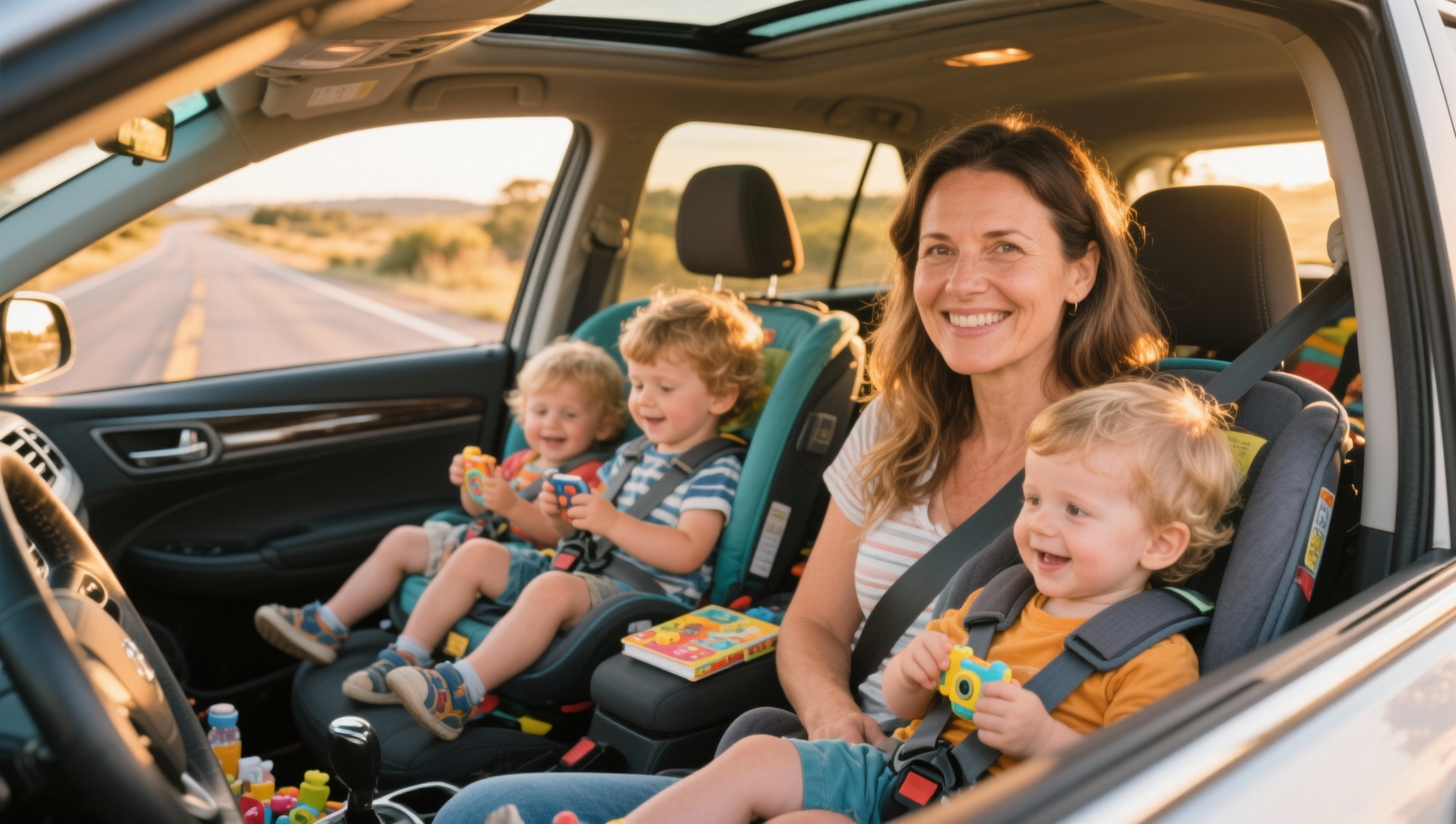
You know that moment. The car is packed, the snacks are (theoretically) ready, and you’ve just pulled out of the driveway. Then, from the backseat, the dreaded chorus begins: “Are we there yet?” followed by a sibling squabble over a sippy cup. It’s minute seven of your six-hour road trip with kids.
We’ve all been there. Planning a road trip with toddlers can feel like preparing a military operation, but it doesn’t have to leave you frazzled before you even hit the highway. The secret isn’t more screens; it’s more strategy. Let’s talk about how to actually enjoy the journey, not just survive it.
How to Plan a Stress-Free Road Trip with Toddlers
Quick Win: Before you do anything else, pack a “Day One” bag. This is a separate, easily accessible tote or backpack with everything you’ll need for the first 3-4 hours: a change of clothes for each kid, wipes, first-snack, first-drinks, and a couple of special, new activities. It keeps you from digging through the abyss of the main luggage at the first rest stop meltdown.
1. Rethink Your Route: The Scenic Detour is Your Friend
Forget the “make the best time” mentality. When you’re road tripping with kids, the goal is “make the best memories.” Plugging the fastest route into your GPS is a recipe for backseat rebellion.
Instead, plan for a 20-30 minute stop every 2 hours. I use a simple rule: one stop for moving bodies (a park, a rest stop with green space), the next for a quirky sight (the world’s largest ball of twine, a historic marker, a cute main street for ice cream). Apps like Roadtrippers are great for finding these oddball attractions along your route.
What I wish I knew: The journey is the activity. My friend Ana, a mom of two wild boys, put it perfectly: “I used to see stops as wasted time. Now I see them as the main event. A 20-minute runaround at a random playground burns more energy than three hours strapped in the car. We all get back in the car happier.”
Map these stops in advance. Knowing you have a cool dinosaur statue to visit in 90 minutes gives you a tangible thing to point to when the whining starts. “Hey, we’re on our way to see the giant T-Rex! Let’s count red cars until we get there.”
2. Pack a “Boredom Buster” Bin, Not a Tablet
Going screen-free (or at least low-screen) on a road trip with kids is totally possible, but it requires pre-game work. The key is novelty and rotation.
I pack a dedicated bin that sits between the car seats. Nothing in it comes out until we’re on the road. It’s filled with:
- New-to-Them Toys: Hit the dollar store or your own “hidden toy” stash. Think window clings, a pack of pipe cleaners, a new pack of stickers and a notebook.
- Interactive Audio: Audiobooks from the library or podcasts like Wow in the World are gold. Singalongs work, too. Create a family playlist where everyone picks a few songs.
- “I Spy” Kits: A small muffin tin with different colored items glued in each cup (a red button, a blue pom pom). Give them a checklist!
- Felt Boards: Pre-make scenes on a small felt board—a road, a sky, trees. Then give them felt pieces (cars, animals) to stick on and move around.
Rotate items every 30-45 minutes. When you bring out something new, put the old thing away. The constant “newness” holds their attention far longer.
3. Snack Like a Pro: The Snackle Box Solution
“I’m hungry” is the battle cry of the bored toddler. Instead of handing back a whole bag of something, get tactical.
Enter the Snackle Box (like a tackle box, but for food). Use a segmented plastic container and fill each compartment with different, mostly-mess-free items: cheese cubes, apple slices, cereal, raisins, pretzel sticks, a few chocolate chips. The variety and the act of choosing (“Ooh, what’s in this compartment?”) turns snacking into an activity. It also prevents the “I dumped my entire bag of Goldfish on the seat” disaster.
Pack a separate cooler with drinks and perishables. And for the love of all that is holy, avoid sugary juice boxes right before a long stretch. Trust me on this one. Water and milk are your travel essentials for maintaining some semblance of calm.
4. Master the Timing of Your Travel Day
Your departure time can make or break the whole trip. If you have a long drive, consider leaving at or before dawn. Yes, it’s painful to wake up at 4:30 AM, but transferring a sleeping kid into their car seat is a parenting superpower. You can easily bank 2-3 quiet, peaceful hours before they even wake up.
If you’re not a dawn raider, aim to leave right after naptime. A well-rested toddler is a more cooperative traveler. Also, plan your longest driving stretch for when they are naturally most content—maybe mid-morning after a good breakfast and some play.
What I wish I knew: Always, always do a pre-departure energy burn. Even if it’s just 15 minutes of running laps around the car or dancing in the driveway. Getting those wiggles out before confinement is a non-negotiable family travel tip.
5. Set Realistic Expectations (For Yourself)
This might be the most important section. You are not going to have a Pinterest-perfect, silent, smiling journey. There will be meltdowns. There will be spilled snacks. Someone will need an unexpected potty stop 10 minutes after the last one.
Your job isn’t to prevent all strife; it’s to manage it without losing your own cool. Celebrate the small wins: “We made it two hours without any tears! High five!” Pack your own patience kit: a great podcast, a comforting drink, comfy clothes.
As my mom friend Lisa says, “Lower the bar from ‘amazing adventure’ to ‘successful relocation.’ If we all get to Grandma’s house with most of our sanity, it’s a win.”
Your Turn: Your Road Trip Action Plan
- This Week: Plan your route with 2-3 fun stops. Bookmark them on your map.
- This Weekend: Hit the dollar store or dig through the toy bin. Assemble your “Boredom Buster” bin and make a Snackle Box test run for lunch.
- The Night Before: Pack the “Day One” bag and the cooler. Pre-load audiobooks/podcasts. Charge your devices (phone, headphones).
- Departure Day: Execute the pre-trip energy burn. Take a deep breath. You’ve got this.
FAQ: Road Trip with Kids
Q: How do I handle potty training on a road trip? A: Go back to pull-ups for the drive, no shame. It’s about reducing stress for everyone. Also, pack a portable potty (the kind with bags) in the trunk for emergencies when a rest stop is miles away. A travel potty seat is also a great travel essential for wary toddlers.
Q: What are the absolute must-pack items? A: Beyond clothes and diapers: a full change of clothes for you (in the Day One bag, because blowouts happen), a giant pack of wipes, multiple plastic bags for trash/wet clothes, a basic first-aid kit, and a beloved lovey or blanket for comfort.
Q: My kids fight constantly in the car. Help! A: Separate them if possible. If not, establish a “Car Rule”: if you argue over a toy, the toy goes in time-out (the front seat) for 10 minutes. Use audio entertainment to create a shared focus. And sometimes, pulling over for a 5-minute “reset” walk is more effective than yelling from the front seat.
Q: Is it really possible to do a screen-free road trip? A: It’s possible, but be flexible. Maybe screens are for the last grueling hour only, or for when you absolutely need 20 minutes of quiet. The goal isn’t purity; it’s balance. If you’ve filled the time with other engaging things first, you won’t need to rely on them as much.
Remember, the goal is connection, not perfection. You’re building a story—the time you saw the giant dinosaur, the silly song you all sang, the ice cream stop that saved the day. That’s what they’ll remember. Safe travels, mama
Tags
Related Articles

How to Plan a Stress-Free Weekend Getaway with School-Age Kids
How to Plan a Stress-Free Weekend Getaway with School-Age Kids
Weekend Getaways for Working Moms: Stress-Free Family Trips
Weekend Getaways for Working Moms: Stress-Free Family Trips
Road Trip Essentials: Packing List for School-Age Kids
Road Trip Essentials: Packing List for School-Age Kids