Sustainable Self-Care for Working Moms: Realistic Routines That Stick
Discover how to build a sustainable self-care routine as a working mom without guilt or perfectionism. Realistic tips for 2026.

Sustainable Self-Care for Working Moms: Realistic Routines That Stick
Let’s be honest: the phrase “self-care” often feels like one more thing on the to-do list. You’ve read the articles, downloaded the apps, maybe even bought a fancy journal—and yet, somehow, it still feels out of reach. Between school runs, deadlines, dinner prep, and the endless mental load, the idea of a “routine” can feel like a cruel joke. But here’s the truth: sustainable self-care isn’t about finding more time—it’s about making the time you have work for you in a way that actually fits your life. As a working mom myself, I’ve learned that the best self-care is the kind that doesn’t require a babysitter, a spa day, or a silent house (because let’s face it, that’s rare). In 2026, we’re done with guilt-ridden “shoulds.” We’re building routines that are flexible, forgiving, and—most importantly—sticky. This is how you do it without burning out.
Rethink What Self-Care Really Is
First, let’s blow up the myth that self-care has to be a full hour of yoga or a bubble bath. For a working mom, self-care is anything that fills your cup back up—even if it’s just a little. It’s the five minutes you take to drink your coffee while it’s still hot, the deep breath before you walk into a meeting, or the 10-minute walk around the block after lunch. When you redefine self-care as “small, intentional moments of recharging,” it becomes a lot more doable. And that’s the foundation of a sustainable routine. You’re not adding another obligation; you’re weaving tiny resets into your day. So, let go of the all-or-nothing mindset. You don’t need an hour; you need a minute. And a minute is always possible.
Start with a Self-Care Audit
Before you can build a routine, you need to know what actually recharges you—not what social media tells you should. Take a few minutes to jot down a list of activities that genuinely make you feel better, no matter how small. Maybe it’s reading a few pages of a book, calling your best friend on your commute, or simply sitting in silence for two minutes. Then, look at your typical day and find the “pockets” where you could insert these moments. That’s your audit. For example, you might notice that you have 10 minutes after you drop the kids off before your first meeting—perfect for a quick stretch or listening to a podcast you love. Or maybe you realize you’re scrolling your phone for 20 minutes before bed—could you swap that for a warm cup of tea and a magazine? The goal is to identify where your energy is being drained and where you can add tiny doses of joy. This isn’t about perfection; it’s about awareness. Once you know your pockets, you can start filling them on purpose.
Build a Micro-Routine You Can Actually Keep
Now, let’s get practical. The key to sustainability is to make your routine so small you can’t say no. I call these “micro-routines.” They take less than five minutes and are anchored to something you already do. For instance:
- Morning: While you’re waiting for your coffee to brew, do a two-minute stretch or write one thing you’re grateful for in a notes app.
- During the workday: When you stand up to go to the bathroom or refill your water, take three deep breaths. Or, if you can, step outside for five minutes to get some fresh air.
- Evening: As you’re brushing your teeth, do a quick body scan—notice any tension and consciously relax your shoulders.
These micro-moments may seem trivial, but they add up. They also train your brain to recognize that you matter, too. The trick is to attach them to habits you already have, so you don’t have to remember to do them. Over time, they become automatic. And if you miss a day? No big deal. The goal is consistency, not perfection. You’re not failing if you skip a day; you’re just human. Tomorrow is another chance to show up for yourself.
Schedule Self-Care Like a Non-Negotiable Meeting
As working moms, we’re pros at scheduling everything else—meetings, appointments, playdates. Why not schedule self-care? It doesn’t have to be a huge block; even 15 minutes in your calendar can make a difference. Treat it with the same importance as a client call. Block it off, set a reminder, and don’t let anyone (including yourself) steal that time. If you’re a planner, you might want to add it to your daily schedule at the same time each day. For me, it’s 10 minutes after lunch when I take a walk—even if it’s just around the living room. I’ve told my family and my boss that this is my “reset time,” and they respect it. You might be surprised how supportive people are when you advocate for your own well-being. And if you can’t do it every day, aim for three times a week. The point is to make it a priority, not an afterthought. By scheduling it, you’re sending a clear message: your well-being matters, and you’re worth the time.
Involve Your Family (and Let Go of Mommy Guilt)
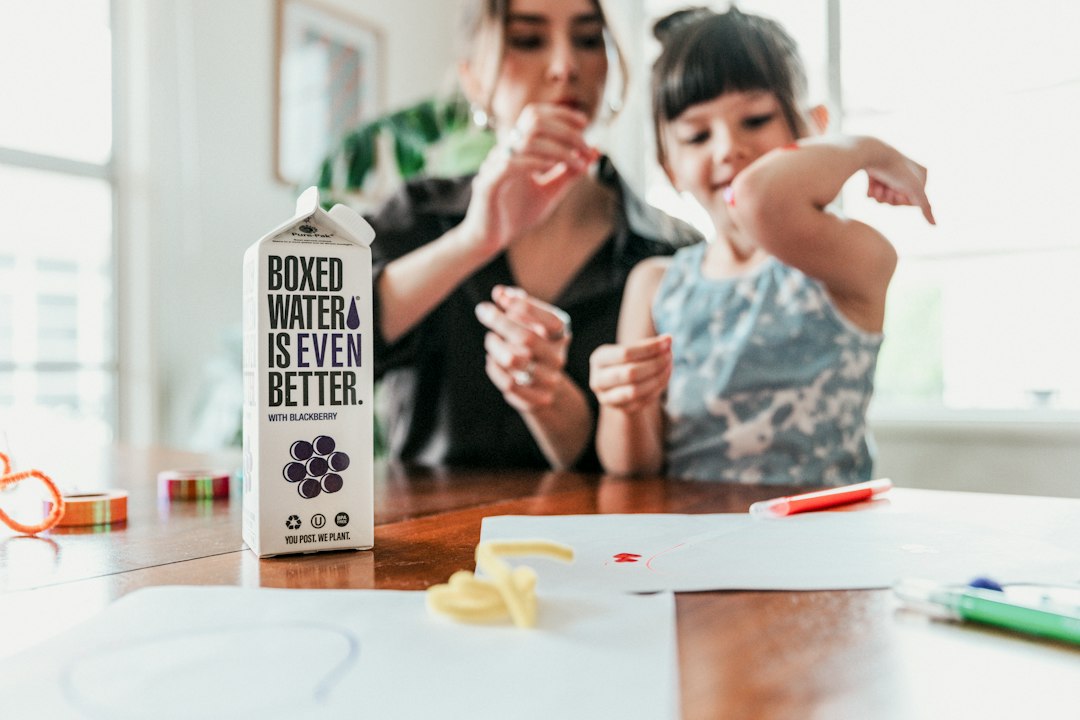
One of the biggest barriers to sustainable self-care is guilt. We feel guilty for taking time for ourselves when we could be with our kids or doing something productive. But here’s the thing: when you’re running on empty, you can’t show up as the mom you want to be. Self-care isn’t selfish; it’s essential. To make it stick, try involving your family. You can teach your kids about self-care by modeling it. Let them see you taking a few minutes to breathe, stretch, or read. Explain that this is how you take care of your heart and mind. You can even create a family self-care ritual, like a Saturday morning where everyone gets 20 minutes of quiet time, or a daily “calm down” moment before bed. By normalizing self-care, you’re raising kids who understand its value—and you’re giving yourself permission to take it. And when you do take time for yourself, don’t spend it feeling guilty. Remind yourself that you’re not just doing this for you; you’re doing it for your family. You’re teaching them that it’s okay to prioritize your well-being. That’s a powerful lesson.
Embrace Flexibility and Let Go of Perfection
Even the best-laid plans will fail sometimes. A sick kid, a deadline, a flat tire—life happens. That’s why your self-care routine must be flexible. Instead of a rigid schedule, think of it as a menu of options. Some days you might have energy for a 20-minute workout; other days, all you can manage is a hot shower and an early bedtime. Both count. The goal is to be kind to yourself and adapt. You’re not a robot; you’re a mom. So, when your routine falls apart, don’t toss the whole concept out the window. Just pick it back up the next day. Remember, sustainable means it can survive real life. It’s not about being perfect; it’s about showing up for yourself as often as you can, in whatever way you can. In 2026, we’re all about progress over perfection. So give yourself grace, and keep going.
Final Thoughts
Building a sustainable self-care routine as a working mom isn’t about carving out hours of “me time” that don’t exist. It’s about small, intentional moments that you weave into your day—moments that remind you that you’re a person, not just a mom and an employee. It’s about redefining what self-care looks like for you, scheduling it like a non-negotiable, and letting go of the guilt. It’s about being flexible and forgiving with yourself when life gets messy. You deserve to feel replenished, not because you’ve earned it, but because you’re a human being with needs. So, start small. Pick one micro-routine from this article and try it for a week. Notice how it makes you feel. Then, add another. Before you know it, you’ll have a self-care practice that actually sticks—and you’ll be a happier, more present mom because of it. You’ve got this.
Tags
Related Articles

The Working Mom’s Guide to a Self-Care Routine That Actually Sticks
Tired of self-care routines that fall apart by Wednesday? Here’s how working moms can build sustainable self-care that fits real life—no guilt, no burnout.

The 2026 Evening Wind-Down Routine for Working Moms Who Need Better Sleep
Discover a realistic evening wind-down routine for working moms in 2026. Say goodbye to doom-scrolling and hello to deeper, more restful sleep.
The Working Mom's Guide to a Sustainable Self-Care Routine in 2026
Discover practical self-care strategies for working moms. Build a sustainable routine that fits your busy life and helps you thrive.