Weekly Meal Planning for Busy Working Moms
Weekly Meal Planning for Busy Working Moms

Hook:
It’s 6:15 PM on a Tuesday. You just got home from work, your youngest is asking for a snack for the fourth time, and your inbox is still blinking. You open the fridge to find a sad bag of spinach, half a block of cheese, and a jar of pickles. Dinner looks like a scavenger hunt. You know the feeling: the “what’s for dinner” panic hits harder than your 3 PM coffee crash.
Here’s the surprising stat: according to a 2025 survey, working moms spend an average of 8 hours per week just thinking about meals—planning, shopping, prepping, and cleaning up. That’s a full workday. The goal isn’t to cook like a celebrity chef; it’s to reclaim those hours for your kids, your partner, or just five minutes of peace.
H1: Weekly Meal Planning for Busy Working Moms
Let’s be real: meal planning isn’t about Pinterest-perfect bento boxes or homemade sourdough. It’s about surviving the week with your sanity intact and your family fed. I’ve been a working mom for over a decade, and I’ve learned that the secret isn’t more time—it’s smarter systems. Today, we’re going to build a meal planning routine that actually works for your chaotic life.
H2: The “Anti-Meal Prep” Method (Your New Sunday Reset Routine)
You’ve heard the advice: “Spend Sunday chopping all your veggies and cooking everything in bulk.” Honestly? That’s a trap for most of us. By Wednesday, those pre-chopped veggies are sad, you’re sick of the same chicken, and you end up ordering pizza anyway.
Here’s the counter-intuitive tip: Don’t prep meals. Prep components instead.
Instead of making three full dinners on Sunday, spend 20 minutes doing this:
- Wash and dry all your produce (spinach, bell peppers, carrots, broccoli). Store them in breathable containers with paper towels to stay crisp.
- Cook one protein (like shredded chicken, ground turkey, or hard-boiled eggs) and keep it plain.
- Make one sauce (a simple vinaigrette, a yogurt-based dressing, or a quick tomato sauce).
Why this works: When you have ready-to-go components, you can mix and match all week. Monday: shredded chicken on salad with the vinaigrette. Tuesday: ground turkey tacos with the sauce. Wednesday: scrambled eggs with leftover veggies. It feels like variety, but you only cooked once.
Product recommendation: The OXO Good Grips Green Prep Containers ($12.99 for a set of 3). They keep lettuce fresh for 5-7 days, unlike those flimsy bags. Worth every penny.
Common mistake to avoid: Over-prepping. If you prep more than two proteins or three veggies, you’ll waste food. Stick to one protein, one sauce, and three washed veggies. That’s your Sunday reset routine.
H2: Pantry Organization That Actually Stops the “What’s for Dinner” Panic
Let’s talk about your pantry. If it looks like a disaster zone—half-empty bags of rice, expired cans, and mystery spices—you’re not alone. But a messy pantry is a productivity killer. When you can’t see what you have, you either buy duplicates or forget about that bag of lentils you bought in 2024.
The trick isn’t to buy fancy bins (though they help). It’s to create a “first-in, first-out” system that works with your working mom schedule.
Here’s my method:
- Use clear, stackable containers for staples like flour, sugar, pasta, and oats. Label them with the date you opened them.
- Group by meal type, not category. Instead of “canned goods” and “grains,” have a “quick dinners” section with canned beans, diced tomatoes, and pasta. Another “breakfast” section with oatmeal, peanut butter, and granola.
- Keep a running list on your phone or a whiteboard on the fridge. When you use the last can of beans, add it immediately. This saves 10 minutes of staring at the pantry during the week.
Product recommendation: The Rubbermaid Brilliance Food Storage Containers ($14.99 for a 5-pack). They stack beautifully, are airtight, and the lids lock shut. No more rice dust everywhere.
Common mistake to avoid: Buying in bulk without a plan. I once bought a 10-pound bag of oats because it was on sale. I made oatmeal twice. Now I only buy what I’ll use in 2-3 weeks. Bulk is only a bargain if you actually use it.
H2: The “2-2-3” Meal Plan for Your Working Mom Schedule
You don’t need to plan seven different dinners. That’s exhausting. Instead, use the 2-2-3 method: two meals you cook, two you “assemble” (no cooking required), and three that are leftovers or takeout.
Here’s how it works for a typical week:
- Monday (Cook): Sheet pan chicken and roasted veggies (20 minutes active time).
- Tuesday (Cook): Ground turkey tacos with black beans and avocado (15 minutes).
- Wednesday (Assemble): Use leftover chicken from Monday to make chicken salad wraps or a quick quesadilla.
- Thursday (Assemble): Pre-made pizza crust (store-bought) with jarred sauce and leftover taco toppings. Done in 10 minutes.
- Friday (Leftover/takeout): Eat the rest of the week’s food or order your favorite.
- Saturday (Cook/leftover): Big batch of chili or soup (freeze half for later).
- Sunday (Assemble): Breakfast for dinner—scrambled eggs, toast, and fruit. No stress.
Why this works: It gives you structure without rigidity. If Monday’s sheet pan chicken doesn’t happen, you can swap it to Tuesday. The “assemble” days are lifesavers when you’re running late.
Secondary keyword tip: This method fits perfectly into your working mom schedule because it prioritizes low-effort nights. You don’t have to cook every single day.
Common mistake to avoid: Planning too many “cook” days in a row. You’ll burn out by Wednesday. The 2-2-3 method builds in rest days for your brain and your stove.
H2: Creating Homework Stations That Save Dinner (Yes, Really)
Here’s a weird connection: meal planning and homework stations go hand in hand. When your kids have a dedicated spot to do their work, you can cook without interruptions. No more “Mom, where’s my pencil?” while you’re sautéing onions.
Set up a homework station in your kitchen or dining area. It doesn’t have to be fancy—just a basket or caddy with supplies:
- Pencils, pens, erasers
- Highlighters
- Scissors and glue
- A timer (for focus)
- Snacks (granola bars, applesauce pouches)
Product recommendation: The ArtBin Pencil Caddy ($9.99) is sturdy and fits everything. Also, the Time Timer ($29.99)—it shows a visual countdown so kids know when they’re done. No more “Is it time yet?”
Pro tip: Have a “dinner prep rule”—when you start cooking, kids start homework. Use the timer to set 20 minutes of focus. You get uninterrupted chopping time; they get a sense of independence. It’s a win-win.
Common mistake to avoid: Letting homework drift into the living room. The TV is a distraction. Keep it at the kitchen table or a desk nearby. You can hear them, but they can’t see the screen.
H2: The “No-Shame” Shopping List Strategy
Let’s be honest: sometimes you forget the list at home or you’re too tired to write one. That’s okay. The key is to have a system that’s foolproof.
Use the “three-column list” method:
- Column 1: Staples (milk, eggs, bread, butter, coffee)
- Column 2: This week’s meals (chicken, black beans, tortillas, cheese)
- Column 3: Pantry restocks (rice, pasta, canned tomatoes)
Keep a magnetic notepad on your fridge. When you run out of something, write it down immediately. Before you leave for the store, take a 30-second photo of your fridge and pantry. You’ll be amazed how many times you avoid buying something you already have.
Product recommendation: The Moleskine Smart Notebook ($24.95) works with an app to digitize your lists. But honestly, a $3 spiral notebook from Target works just as well.
Common mistake to avoid: Shopping without a list. You’ll end up with impulse buys and missing key ingredients. Stick to your columns, and you’ll save time and money.
H2: FAQ (Frequently Asked Questions)
Q: I don’t have time to meal plan every Sunday. What if I skip a week? A: Skip it. Life happens. If you miss a Sunday, just do a quick 5-minute plan on your phone Monday morning. Pick 3 dinners you know you can make with what you have. It’s better than nothing.
Q: How do I handle picky eaters without cooking separate meals? A: Use the “deconstructed” approach. Serve components separately: grilled chicken, rice, and steamed broccoli. Everyone builds their own plate. If they don’t like broccoli, they can have carrots. No short-order cooking required.
Q: What if my partner doesn’t help with meal planning? A: Assign them one task: “You’re in charge of takeout nights.” Or ask them to handle grocery pickup. Even small contributions reduce your mental load. If they’re resistant, use the “I need your help” language—not “You should do this.”
Q: How do I stop wasting food? A: Plan for leftovers. Cook double batches of chili, soup, or pasta sauce, then freeze half. Label with the date. Also, use a “use it up” night once a week—combine random veggies, grains, and proteins into a stir-fry or frittata. It’s like a culinary cleanout.
Your Turn: Action Items
- This Sunday: Spend 20 minutes prepping components, not full meals. Wash veggies, cook one protein, and make one sauce.
- Set up a homework station in your kitchen. Buy a caddy and a timer. Tell your kids the rule: “When I start dinner, you start homework.”
- Create a three-column shopping list on your phone or a notepad. Use it for your next grocery trip.
- Try the 2-2-3 method for one week. Notice how much less mental energy you spend on dinner decisions.
- Celebrate the wins: If you meal plan three days instead of seven, that’s progress. You’re not failing—you’re being human.
Now go feed your family without losing your mind. You’ve got this.
Tags
Related Articles
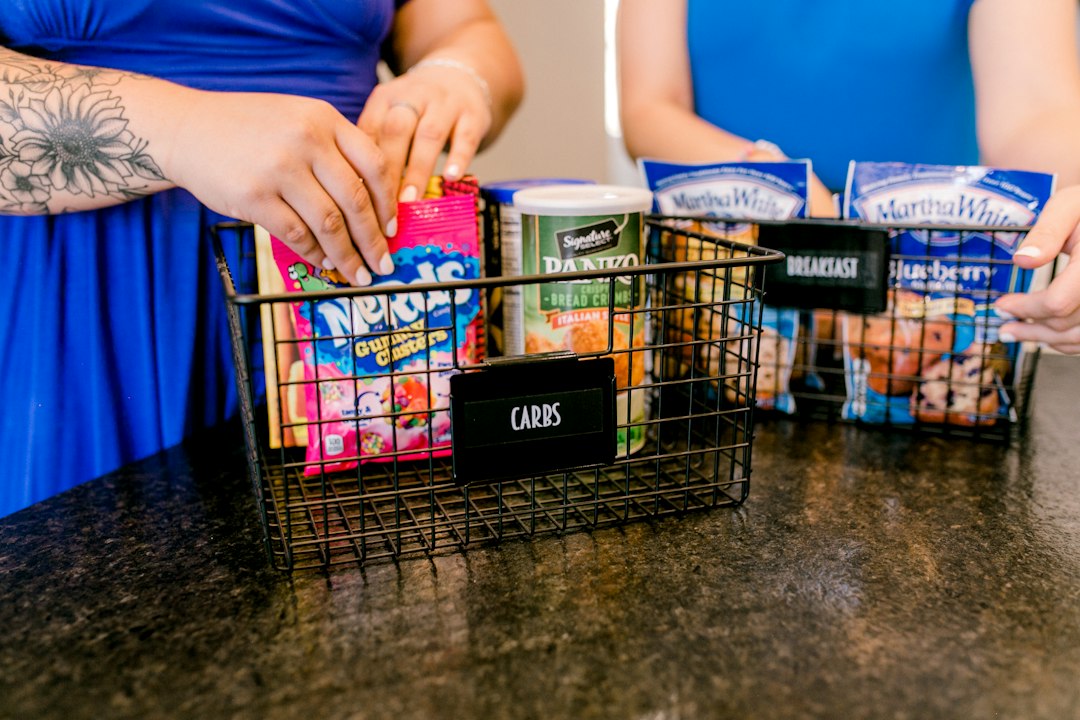
Pantry Organization Hacks for Busy Moms: 2026 Edition
Discover practical pantry organization hacks for busy moms. Save time, reduce stress, and keep your kitchen running smoothly with these simple tips.

Cozy Home Office Nook on a Budget: Working Mom's Guide
Create a cozy home office nook on a budget with these practical tips for working moms. Transform any small space into a functional, inviting workspace.
Quick Meal Prep for Busy Weeknights: 7 Real-Life Tips for Working Moms
Tired of the 6 p.m. scramble? These quick meal prep ideas for busy weeknights help working moms get dinner on the table without the stress.