Easy Weeknight Family Activities for Busy Working Moms
Tired of screen-time battles? Here are 7 low-effort, high-connection family activities for busy weeknights—no Pinterest-perfect planning required.
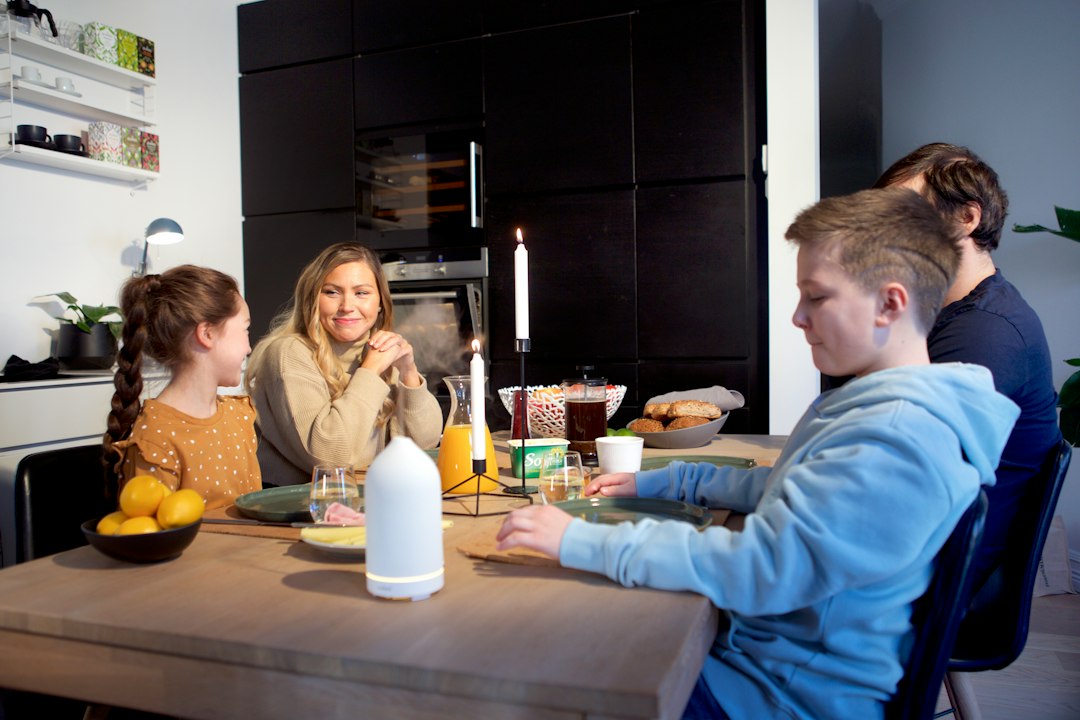
Easy Weeknight Family Activities for Busy Working Moms
Somewhere between the 5:30pm scramble and the 8:15pm “I’m not tired” negotiations, family time can feel like one more item on a to-do list that never ends. I get it. I’ve been the mom reheating leftovers while answering a Slack message and helping with a math worksheet that somehow requires three different colored pencils. By the time we’re all home, the idea of planning a “fun family activity” feels about as realistic as a spa day.
But here’s what I’ve learned after years of trial and error: weeknight connection doesn’t need a theme, a craft bin, or a 45-minute window. It needs small, repeatable moments that fit the life you actually have—not the one the internet says you should have. Below are seven ideas that have worked for my family, and for the working moms in my group chat who are just as tired as you are. Pick one. Try it this week. Adjust as needed.
1. The 15-Minute Reset Walk
This is my number one recommendation for a reason. After school pickup, everyone is overstimulated—kids included. Instead of launching straight into homework and dinner, we do a short walk around the block. No phones (for me either), no agenda. Sometimes we count dogs. Sometimes we complain about our day. Sometimes we walk in silence, and that’s fine too.
The magic is in the transition. A 15-minute walk signals to everyone’s nervous system that the school day is over and home time has begun. It also sneaks in movement, which helps with bedtime later. If the weather is awful, we do a “hallway parade” inside or a quick dance party in the living room. The point isn’t exercise—it’s a buffer between the demands of work and the demands of home.
Try this: Set a timer for 15 minutes. Walk out the door before you check the mail or open the fridge. You can absolutely bring a snack.
2. Dinner Table Questions That Don’t Feel Like an Interrogation
“How was school?” gets you “fine.” Every time. Instead, we use a rotating set of silly and specific questions that get real answers. Our current favorites:
- If you could have any superpower for exactly one hour, what would it be?
- What was the weirdest thing that happened today?
- Who did something kind for you this week?
- If our family were a band, what instrument would each of us play?
We keep a list on the fridge so no one has to think of something on the spot. The rule is simple: everyone answers, including the adults. My kids have learned more about my workday through these questions than through any “how was your day” conversation. And yes, sometimes the answers are ridiculous. That’s the point.
Try this: Write five questions on a sticky note and stick it to the table. Rotate weekly. Let the kids add their own.
3. “Choose Your Own Adventure” Reading
If you have a reader in the house—or a kid who claims to hate reading—this one is a game-changer. We pick a chapter book and read it together, but the kids get to make decisions about what happens next. Sometimes we pause mid-chapter and ask, “What would you do if you were the character right now?” Then we see if the book agrees.
For younger kids, this works with picture books too. You read the story, then ask them to invent a different ending. For older kids, try a graphic novel or a choose-your-own-adventure book from the library. The best part? It takes 10–15 minutes and doubles as literacy time, which means you can count it as homework if you need to. (I’m kidding. Mostly.)
Try this: Let each kid pick one book per month. Alternate who chooses. Keep a “family read-aloud” basket near the couch so it’s always within reach.
4. Kitchen Helper Nights (Yes, Really)
I used to think letting kids help with dinner would slow everything down. It does. But it also turns a chore into connection, and it buys me a few minutes of not being the only one doing the work. In 2026, with so many of us juggling hybrid schedules and tighter evenings, this has become our most reliable family activity.
Here’s how we make it work without losing my mind:
- Assign real jobs. Even a 4-year-old can tear lettuce or set the table. A 10-year-old can stir a pot (with supervision) or measure ingredients.
- Lower the bar. Boxed pasta and jarred sauce count. So does “breakfast for dinner.” The goal is togetherness, not a cooking show.
- Embrace the mess. Put a towel under the cutting board. Accept that flour will end up on the floor. Vacuum later.
- Talk while you work. This is where the best conversations happen—side by side, not face to face.
Try this: Pick one night a week as “helper night.” Let each child choose a menu item. Keep a rotation of three or four meals you can make on autopilot.
5. The Ten-Minute Tidy-and-Dance Party
This one solves two problems at once: the house is a disaster, and everyone is cranky. We set a timer for ten minutes, turn on a playlist (our current favorite is a mix of 90s hits and whatever my 8-year-old found on the radio), and clean like maniacs. When the timer goes off, we stop—even if there’s still a pile of shoes by the door.
The rule is that everyone participates, and nobody criticizes anyone else’s cleaning style. My husband has been known to vacuum in rhythm. My daughter organizes the shoe pile by color. I mostly move things from the counter to the pantry and back. It’s not perfect, but it’s fun, and it teaches the kids that keeping a home is a team effort.
Try this: Make a shared playlist. Let each family member add two songs. Keep the timer visible so everyone can see the finish line.
6. Backyard (or Living Room) “Minute to Win It”
You don’t need a backyard for this. You need a timer and a few household objects. We invented our own version of the game show using things like:
- Stacking plastic cups into a pyramid in under a minute
- Moving cotton balls from one bowl to another using only a spoon held in your mouth
- Balancing a book on your head while walking across the room
- Sorting a deck of cards into suits as fast as you can
It sounds silly because it is silly. That’s why it works. After a long day, silly is exactly what we need. The whole thing takes 20 minutes, and the kids burn off energy before bed. We’ve done this with grandparents, neighbors, and one memorable evening with a babysitter who turned out to be a champion cup-stacker.
Try this: Write five challenges on index cards. Keep them in a jar. Pull one out on nights when everyone needs a laugh.
7. “Rose, Bud, Thorn” at Bedtime
This is a classic for a reason. Before lights out, each person shares one rose (something good from the day), one bud (something they’re looking forward to), and one thorn (something that was hard). We do it in the dark, which makes it easier for my kids to be honest. Sometimes the thorn is “I didn’t get to sit next to my friend at lunch.” Sometimes it’s “I felt left out.” Sometimes it’s “I’m worried about the spelling test.”
As a working mom, this is the moment I feel most connected to my kids—not because we’re doing anything elaborate, but because we’re listening. It takes five minutes. It requires no prep. And it gives me a window into their world that I might otherwise miss.
Try this: Start with your own rose, bud, and thorn. Model honesty. Keep the lights off and the voices low. Don’t rush to fix the thorn—just listen.
Final Thoughts
Here’s the truth: none of these ideas will work every night. Some weeks, the best family activity is everyone eating cereal in front of a movie because you’re all exhausted. That counts too. Connection isn’t about doing more—it’s about being present in the small moments you already have.
Start with one idea from this list. Try it once. If it flops, laugh and move on. If it sticks, keep it. You’re not aiming for a highlight reel. You’re aiming for a family that feels like a team, even on the messy, rushed, leftover-for-dinner weeknights. And that’s something you can build in 15 minutes or less.
You’ve got this. Now go find a timer and a snack.
Tags
Related Articles

How to Build a Working Mom Support System That Actually Works
Feeling like you're doing it all alone? Here's how to build a real support system as a working mom—without guilt, overwhelm, or waiting for permission.
How Working Moms Can Survive School-Age Kids' Schedules in 2026
Juggling school, sports, and work? Here's how real working moms can manage school-age kids' schedules without losing their minds in 2026.
How to Build a Working Mom Support System (That Actually Works)
Feeling like you're doing it all alone? Here's how to build a real support system as a working mom—without guilt, awkwardness, or overwhelm.